
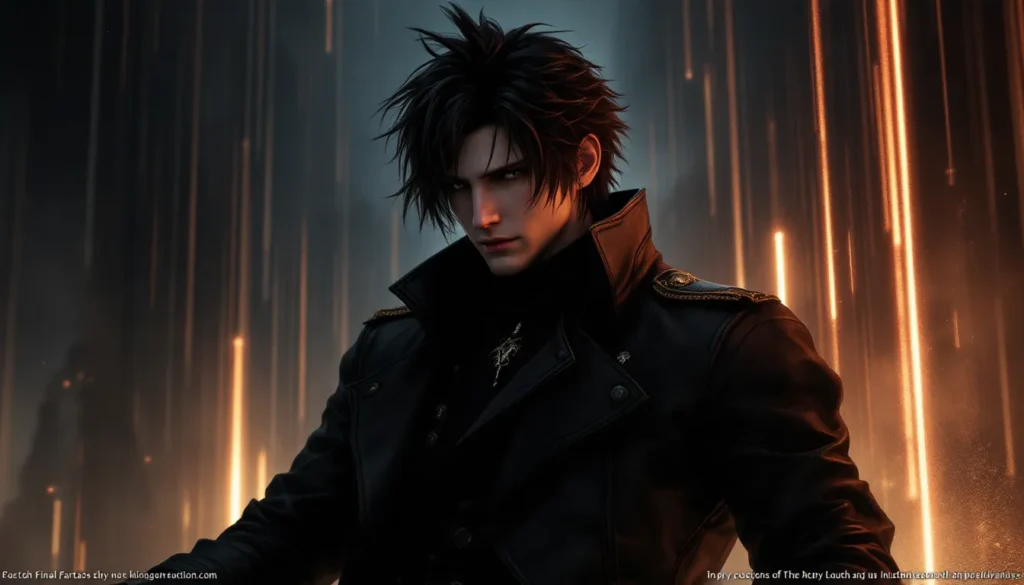
Noctis Lucis Caelum isn’t your typical Final Fantasy protagonist. He’s not a wide-eyed dreamer stumbling into destiny, nor is he a hardened warrior who’s seen it all. Instead, he’s a reluctant prince forced to grow up on the road, burdened with a fate he never asked for while surrounded by three loyal friends. When Final Fantasy XV launched in 2016, Noctis represented a shift in how the franchise portrays its heroes, less mythic archetype, more flawed human struggling against overwhelming odds. Even in 2026, a decade after his debut, Noctis remains one of gaming‘s most compelling characters, resonating with players who appreciate character-driven narratives and complex emotional arcs. His journey from privileged heir to warrior king didn’t just define a single game: it sparked conversations about heroism, sacrifice, and what it means to grow up when the world depends on you.
Table of Contents
ToggleKey Takeaways
- Noctis Final Fantasy character stands out as a reluctant protagonist who actively resists his destiny, differentiating him from traditional fantasy heroes and creating a more emotionally compelling character arc.
- His combat versatility through weapon switching, magic crafting, and the signature Warp Strike ability makes Noctis a dynamic and adaptable fighter that rewards both aggressive and tactical playstyles.
- The relationships between Noctis and his companions—Prompto, Gladiolus, Ignis, and Lunafreya—form the emotional core of his character development, showing that true heroism comes from choosing to protect those you care about rather than accepting predetermined destiny.
- Final Fantasy XV’s DLC episodes and Royal Edition significantly expanded Noctis’s narrative, introducing alternate perspectives and story paths that deepened the game’s themes about free will and sacrifice.
- Noctis’s character design and reluctant hero archetype influenced modern JRPG development, shifting industry focus toward character-driven narratives, ensemble casts, and personal growth over purely cosmic stakes.
- A decade after his 2016 debut, Noctis remains gaming’s most culturally relevant JRPG protagonists, consistently referenced in franchise discourse and recognized across platforms and crossover appearances.
Who Is Noctis Lucis Caelum?
Character Overview And Role In Final Fantasy XV
Noctis is the crown prince of Lucis, a kingdom facing near-total invasion from the Niflheim Empire. At the start of Final Fantasy XV, he’s a brooding, somewhat arrogant nineteen-year-old forced into exile after his home falls. What makes him interesting isn’t his title, it’s how little he initially wants it. Unlike Final Fantasy heroes who leap at the chance to save the world, Noctis spends half the game in denial about his true purpose, hiding behind sarcasm and preferring fishing and late-night drives with his crew to actually training for the apocalypse.
His primary role is as the wielder of the Ring of Lucis and the last heir capable of wielding Royal Arms, ancient weapons tied to his bloodline. Mechanically in combat, he’s versatile: he can switch between different weapons, cast magic, and perform devastating warp strikes. For players, Noctis offers a dynamic playstyle that rewards both aggressive aggression and tactical positioning. The game’s combat system is built entirely around him, making player agency central to the experience.
The Bloodline Of Kings: Noctis’s Heritage And Destiny
Noctis comes from an ancient line of kings blessed by the Astrals, godlike entities that govern Lucis and the world at large. His family didn’t just rule a kingdom: they carried a sacred duty to protect humanity from darkness. The oracle Lunafreya, his betrothed, holds a similarly divine role, tasked with calling upon the Astrals to aid mankind. This isn’t casual fantasy world-building: Noctis’s entire identity is shaped by expectations placed on him before he was born.
What separates Noctis from other destined heroes is his resistance to that destiny. Throughout the game, he pushes back against it, questions it, and even resents those trying to guide him toward it. His father’s early death, the fall of his kingdom, and the pressure from allies all conspire to strip away his denial until he’s forced to accept what he’s meant to become. By the end of Final Fantasy XV, Noctis understands that his bloodline matters not because of privilege or power, but because he chose to shoulder the burden it represents. This internal conflict, between wanting a normal life and accepting responsibility, is what makes his character arc feel earned rather than predetermined.
Noctis’s Journey: From Reluctant Prince To Chosen King
The Road To Insomnia And Personal Growth
Noctis’s journey begins with a lie. His father tells him he’s going to marry Lunafreya as part of a peace treaty with Niflheim, but it’s actually a trap. By the time Noctis realizes what’s happening, his kingdom is in ruins, his father is dead, and he’s on the run with three guys he barely knows beyond his childhood friend Prompto and his sworn protectors Gladiolus and Ignis.
What follows is essentially a cross-country road trip from the coastal city of Galdin Quay toward the fallen capital of Insomnia. Along the way, Noctis fights increasingly powerful daemons, completes hunts, camps with his friends, and slowly transforms from a selfish teenager into someone willing to sacrifice everything for those he loves. The game’s strength is that it doesn’t force this transformation through cutscenes alone, it happens through countless quiet moments: cooking meals together, sharing laughs, and facing monsters that push all four of them to their limits.
By the time Noctis reaches Insomnia, he’s not the same person who left. He’s faced his vulnerabilities, learned to depend on others, and come to terms with the fact that his personal desires don’t matter when the world’s survival is at stake. The Road to Insomnia isn’t just a destination: it’s the crucible that forges him into a king.
Relationships That Shape His Destiny
Noctis doesn’t achieve his arc in isolation. His character is defined through bonds with four key people: Prompto, Gladiolus, Ignis, and Lunafreya. Each relationship reveals different facets of who he is and who he needs to become.
Prompto is Noctis’s oldest friend and the group’s photographer, capturing memories on their journey. He’s the emotional core of the group, and his unwavering loyalty even though learning harsh truths about his own past forces Noctis to confront what friendship actually means. Gladiolus is the shield, literally sworn to protect Noctis, but their relationship is rocky, especially when Gladiolus temporarily leaves the group. This rift teaches Noctis that leadership means accepting that sometimes people need to find their own strength apart from you. Ignis is the strategist, the planner, the one who keeps the group grounded. His sacrifice late in the game hits hard because it shows Noctis what true devotion looks like, and it motivates his final push toward completing his destiny.
Lunafreya exists partly in the shadows, communicated through phones and memories, but her presence haunts Noctis throughout. She’s fulfilling her own destiny while he’s running from his, and their arc, separated by distance and duty but bound by something deeper than politics, culminates in the most emotionally devastating sequence in the game. These relationships aren’t side quests: they’re the entire point. Noctis becomes king not because of divine bloodline alone, but because he’s learned to value others’ lives over his own desires. Through interactions with them, he learns that destiny isn’t something imposed, it’s something you choose, moment by moment.
Combat Mechanics And Playstyle: Mastering Noctis In Battle
Weapon Switching And Royal Arms
Noctis’s combat system revolves around weapon flexibility. Unlike most JRPG protagonists locked into a specific style, he can equip and switch between four different weapons during active combat, a sword, a greatsword, a lance, or dual swords, for example. This creates a flow where players adapt to enemy weaknesses and playstyle preferences mid-fight. Each weapon has unique combos and attack speeds, so a dagger build plays completely differently from a claymore setup.
The Royal Arms are legendary weapons tied to Noctis’s lineage, unlocked by collecting tombs throughout the game and Final Fantasy XV’s DLC. These arms, swords, shields, and heavy weapons, deliver far more damage than standard gear and grant stat bonuses. Using them drains Noctis’s health when equipped, creating a risk-reward dynamic. The farming of Royal Arms became a meta-pursuit for completionists, with certain arms required for speedruns and high-difficulty playthroughs. On New Game+, players often optimize Royal Arm placement to maximize damage output or survivability depending on their approach.
Weapon switching isn’t just mechanical flavor: it’s central to Noctis’s identity. He’s adaptable, learning to use whatever tools are available to protect those around him. This mirrors his character arc, he doesn’t stay locked in one path, but evolves as circumstances demand.
Magic Systems And Elemental Power
Noctis casts magic by crafting spells from elements found in the world, fire, ice, lightning, and status effects like poison or sleep. Crafting isn’t a shopping menu: you collect flasks and mix elemental items to create spells with specific power levels. A Fire spell you craft at level 34 will behave differently than one crafted at level 52, and duration can be extended by adding items to the mix.
What’s unique about Noctis’s magic is that it affects all enemies in a radius, there’s no targeting individual foes. This encourages positioning and timing, especially in group battles where friendly fire is always a risk. Magic items like Elixirs restore full HP and remove status effects, making spell crafting a strategy layer beyond pure damage output. Late-game magic can become devastating: a high-level Freeze spell with extended duration can lock down bosses, while Thunder chains between multiple enemies for crowd control.
The elemental weakness system means smart players exploit enemy resistances. Noctis’s flexibility with magic, combined with weapon switching, allows for multiple viable approaches to any encounter. A purely melee build works, but integrating magic creates more dynamic and satisfying fights, especially against tough bosses where pure damage might not be enough.
Warp Strikes And Tactical Movement
Warp Strikes are Noctis’s signature ability and the flashiest part of his combat kit. By targeting an enemy and holding the warp button, he teleports directly to them, dealing damage and repositioning himself for follow-up attacks. This sounds overpowered, and in casual play, it kind of is, but it’s also fun, and that matters for player engagement. Chaining warp strikes between multiple enemies feels incredible, and skilled players weave them into combos for devastating effect.
Tactical positioning is critical at higher difficulties. Enemies hit harder, and Noctis can’t facetank damage the way he might in Normal mode. Understanding when to warp away versus when to press an advantage separates efficient players from those struggling. Dodging and blocking consume resources, a dodge roll or perfect block costs MP, so resource management becomes a puzzle. You can’t spam warp strikes indefinitely: you need to balance between building damage and maintaining enough MP to survive dangerous attacks.
In fights against legendary bosses or during challenge fights, Noctis becomes a dance of positioning. You’re constantly weaving between warp strikes, magic casts, and defensive moves while managing resources. This dynamic combat was refreshing for a mainline Final Fantasy title when the game released, and it remains engaging today.
Character Development Across Games And Media
Final Fantasy XV: The Core Story
Final Fantasy XV spent ten years in development as “Final Fantasy Versus XIII” before being retooled and renamed. This extensive development meant Noctis’s character was workshopped intensely, and it shows. In the base game, he’s brooding, sarcastic, and gradually becomes a leader through circumstance rather than natural charisma. The main story spans roughly 30 hours for most players, though completionists can easily double that.
But, the original game left narrative gaps. Final Fantasy XV on Mac has brought the experience to more players, and DLC episodes, especially “Episode Prompto,” “Episode Gladiolus,” and “Episode Ignis”, filled in crucial story beats. These episodes flipped perspective away from Noctis, showing events from his companions’ viewpoints and deepening their character arcs. The ending of “Episode Ignis” introduced an alternate path where Ignis chooses a different fate, raising questions about free will within the game’s predetermined destiny framework.
Expanded Universe: DLC Episodes And Additional Content
Final Fantasy XV’s DLC extended Noctis’s narrative significantly. The “Episode Ardyn” DLC revealed the antagonist’s backstory and perspective, complicating the game’s moral simplicity. These episodes weren’t just bonus content, they were essential to understanding the full scope of the game’s themes. RPG Site provided detailed guides on navigating these episodes, helping players understand how each piece connected to the larger narrative.
“Final Fantasy XV: Royal Edition” (2018) bundled many of these additions with quality-of-life improvements, making the “canonical” version of the game notably different from the 2016 original. Boss fights were rebalanced, new areas became accessible, and the ending even received adjustments. For casual players, Royal Edition is the definitive version: speedrunners, but, sometimes prefer the original for specific sequence breaks and routing opportunities.
The Royal Pack DLC introduced the Armiger Unleashed ability, a devastating technique that lets Noctis summon multiple Royal Arms simultaneously for extended damage. This transformed late-game difficulty, making previously frustrating encounters trivial, a common complaint in the community that highlights how DLC balance changes can destabilize existing meta expectations.
Crossover Appearances And Pop Culture Impact
Noctis didn’t stay confined to Final Fantasy XV. He appeared in Final Fantasy XV: Pocket Edition (mobile), a simplified version that captured the story’s essence in a more accessible format. More significantly, he crossed into Tekken 7 as a guest character, a move that raised eyebrows but eventually felt fitting. Seeing a moody anime prince fighting tekken-style characters with command grabs was surreal, but Tekken’s player base appreciated the mechanical depth of his moveset.
Noctis has also appeared in various mobile games and spinoffs, cementing his place in Square Enix’s broader Final Fantasy ecosystem. His design, black coat, pale features, and regal but approachable demeanor, became iconic enough to recognize instantly, even outside his home game. This recognition is crucial for lasting character relevance: ten years later, casual gaming discourse still references Noctis when discussing Final Fantasy protagonists. Community members on gaming forums gather to compare protagonists, and Noctis consistently ranks high, suggesting his character resonates beyond his single game.
Legacy And Community Reception
Why Noctis Resonates With Players
Noctis succeeded where some Final Fantasy protagonists struggled because he felt real. He made mistakes, doubted himself, and grew gradually rather than catharticly. Players who connected with him often cited his vulnerability as the primary reason, he wasn’t a legend in the making but a kid figuring out how to survive while carrying the weight of prophecy. This resonance extends beyond casual players: even competitive gaming communities recognize his development as narratively sophisticated.
The friendship between Noctis, Prompto, Gladiolus, and Ignis became a defining element. Players formed emotional attachments not just to the protagonist but to the entire group dynamic. The campfire scenes, where the party would cook, talk, and joke together, became unexpectedly touching. These moments, devoid of mechanical benefit, created breathing room for character moments that most modern games overlook. Ten years later, players still cite specific conversations or cutscenes as highlights of their gaming experience.
Besides, Noctis’s design bridged the gap between anime protagonist and grounded human character. He wore modern clothing, drove a car, and used a cellphone, anchoring him in a relatable reality rather than pure fantasy convention. This aesthetic choice helped broaden Final Fantasy XV’s appeal beyond traditional JRPG fans to players who might otherwise dismiss anime-styled games.
Influence On Modern JRPG Design
Final Fantasy XV’s success, even though its troubled development, influenced how other studios approached JRPG protagonists. The shift toward character-driven narratives and ensemble casts became more pronounced in post-XV JRPGs. Games began prioritizing friendship dynamics and personal growth over cosmic destiny, following the template Noctis and his companions established.
The combat system Noctis anchored also left its mark. The action-focused real-time battles with positioning emphasis influenced subsequent Final Fantasy titles and other studios’ JRPG designs. Developers noticed that action-oriented protagonists with dynamic movement options captured modern audiences better than traditional turn-based mechanics (though that changed again with games like Persona 5, which proved both styles could coexist).
Noctis also demonstrated that it’s acceptable for a Final Fantasy protagonist to reject his destiny, at least temporarily. Older entries featured heroes who accepted their role quickly: Noctis’s extended resistance created narrative tension and allowed deeper exploration of what heroism actually means. This character archetype, the reluctant chosen one who grows into responsibility, became increasingly common in mainstream JRPGs after XV’s success. Games on platforms from PS5 to Steam borrowed liberally from that framework.
The impact extends to merchandise, cosplay communities, and fan art ecosystems. Noctis remains consistently among the most-cosplayed Final Fantasy characters, and his black coat design spawned countless real-world recreations. Beyond that, discussions on platforms like Gematsu frequently analyze his character whenever new Final Fantasy announcements emerge, indicating his relevance in broader franchise discourse. He’s not just a character in one game, he’s become a touchstone for measuring how subsequent protagonists compare.
Conclusion
Noctis Lucis Caelum arrived in 2016 as a prince who didn’t want to be king, burdened by prophecy and devastated by circumstance. A decade later, he remains one of gaming’s most compelling characters, not because of flashy mechanics or impressive cinematics, but because his journey felt earned. He stumbled, failed, doubted, and only gradually understood that heroism isn’t about destiny, it’s about choosing, moment by moment, to protect those you care about.
His influence extends far beyond Final Fantasy XV. The reluctant hero archetype became more prevalent in JRPGs. The emphasis on character relationships and ensemble dynamics shifted industry expectations. The willingness to spend a full game exploring doubt and personal growth, rather than leaping straight into “save the world” heroics, opened creative space for more nuanced narratives. When modern JRPGs emphasize friendship and personal growth alongside cosmic stakes, they’re walking a path Noctis helped establish.
As of 2026, Noctis remains relevant in gaming discourse. He appears in crossovers, guides new players to Final Fantasy franchises, and serves as a benchmark for character design quality. Whether you’re revisiting Final Fantasy XV on PS5, exploring Final Fantasy XIV’s expansions and comparing protagonists, or discovering his story for the first time on modern platforms, Noctis Lucis Caelum stands as proof that the most powerful character arcs aren’t about grand destiny, they’re about ordinary people choosing to be extraordinary.

