
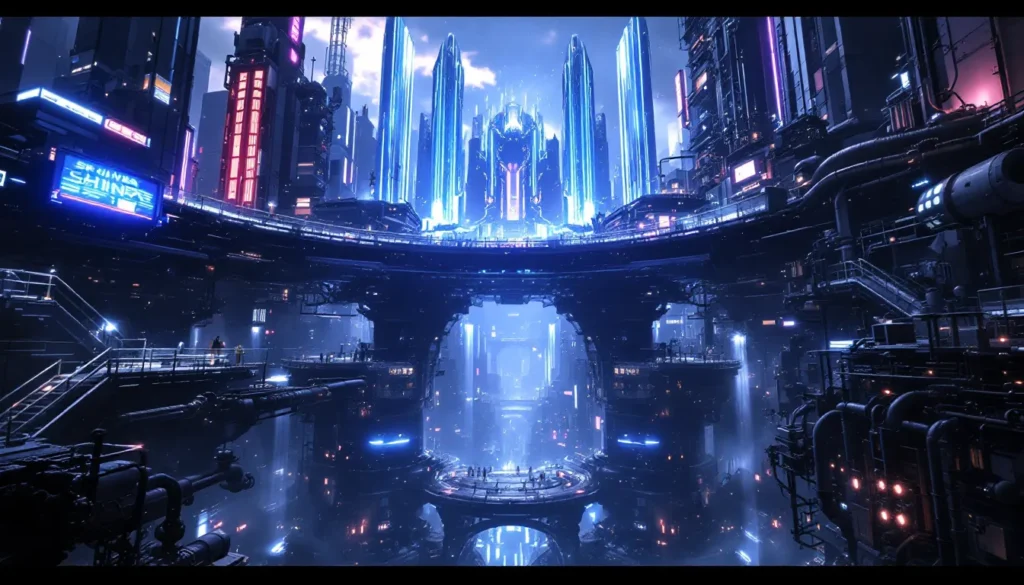
Midgar isn’t just a setting in Final Fantasy VII, it’s the beating heart of one of gaming’s most influential stories. Whether you’re revisiting the 1997 original or diving into the 2020 Remake for the first time, understanding this sprawling metropolis is crucial to grasping why Final Fantasy VII resonates with millions of players nearly 30 years later. From the industrial wastelands of the lower plate to the glittering towers of the upper city, Midgar’s districts each tell their own story. This guide breaks down everything you need to know about exploring Midgar, finding every hidden treasure, crushing its toughest enemies, and understanding why this city matters so much to the franchise’s legacy.
Table of Contents
ToggleKey Takeaways
- Final Fantasy 7 Midgar is a multilevel megacity that serves as more than just a setting—it’s a character embodying themes of corporate greed, environmental destruction, and social inequality that drive the game’s narrative.
- Each sector of Midgar has distinct gameplay and story significance, from the industrial Mako Reactor in Sector 1 to the impoverished slums in Sector 5, requiring different strategies and offering unique character development opportunities.
- Master materia placement and enemy weaknesses early in Midgar to survive difficult encounters; equip defensive spells like Heal and Barrier alongside offensive materia, and always scout enemy vulnerabilities before committing to a strategy.
- The 2020 Final Fantasy VII Remake expands Midgar from a 5-10 hour section into a 40+ hour game with real-time action combat, expanded exploration, and new story elements that deepen emotional investment in the city compared to the original.
- Midgar’s destruction represents a turning point in the story—not a victory but a tragedy that shifts the game’s tone permanently and transforms your role from fighting Shinra in the city to fighting for the planet’s future beyond its boundaries.
- Thorough exploration of Midgar’s hidden items, secret areas, and NPC conversations rewards players with crucial materia, weapons, and story details that enhance your understanding of the world and strengthen your party for later challenges.
What Is Midgar and Why It Matters to Final Fantasy VII
Midgar is the capital of the world in Final Fantasy VII, and it serves as the primary setting for the entire original game. It’s a megacity built on multiple levels, the upper plate where the wealthy elite live and work, and the lower slums where ordinary citizens struggle to survive beneath the weight of the city above. The metropolis runs on mako energy, a resource extracted from the planet itself by the Shinra Electric Power Company, the megacorporation that controls everything.
The city represents more than just a physical location. Midgar is a character in itself, embodying themes of corporate greed, environmental destruction, and social inequality that drive Final Fantasy VII’s narrative. Your journey through Midgar shapes Cloud’s development from a disillusioned mercenary to a hero willing to fight for something bigger than himself. The city’s design, its oppressive scale, the contrast between wealth and poverty, the constant presence of Shinra’s machinery, reinforces these themes at every turn.
Understanding Midgar’s structure is essential because the game’s pacing, story beats, and even your party composition revolve around navigating this massive urban environment. Every sector has a purpose, every NPC interaction matters, and the city’s eventual destruction serves as one of gaming’s most impactful story moments.
Exploring Midgar’s Districts: A Sector-by-Sector Breakdown
Sector 1: The Mako Reactor and Avalanche’s First Mission
Sector 1 is where your adventure begins. The Mako Reactor No. 1 serves as the game’s opening dungeon and introduces you to Midgar’s core gameplay loop: infiltrate a facility, fight Shinra’s forces, and escape before the whole place collapses. This sector is controlled entirely by the Shinra Electric Power Company and exists to extract mako from beneath the city.
The reactor’s layout forces you through narrow corridors and combat encounters designed to teach you the basics. You’ll learn how to manage your party’s health, use items efficiently, and understand enemy weaknesses. The Guard Scorpion boss fight at the reactor’s core remains iconic, it’s the first real test of your combat abilities and forces you to think strategically about when to attack and when to heal. After the reactor’s destruction, Sector 1 becomes largely inaccessible, making this one of Final Fantasy VII’s few “point of no return” moments.
The sector also establishes Avalanche’s mission and philosophy. Bombing mako reactors is supposed to slow Shinra’s environmental destruction, but the collateral damage and civilian casualties raise moral questions the game explores throughout your time in Midgar.
Sector 5: The Slums and Cloud’s New Home
Sector 5’s slums represent the human cost of Shinra’s reign. This is where Cloud finds refuge with Tifa and Barret, and it’s the beating heart of Avalanche’s operations. The slums have a completely different atmosphere from Sector 1, instead of sterile corporate corridors, you explore ramshackle buildings, narrow alleyways, and community spaces where people actually live.
Exploring Sector 5 opens up side activities and character development opportunities you won’t find elsewhere. You can help residents with problems, visit Tifa’s bar the Seventh Heaven, and get a genuine sense of the community Avalanche is trying to protect. The sector also features some of the game’s best optional encounters and items. Finding Tifa’s Level 4 Limit Break manual here is crucial if you want to unlock her most powerful attack.
The contrast between Sector 5’s poverty and the gleaming upper plate visible above creates one of Final Fantasy VII’s strongest environmental storytelling moments. Players see firsthand why Avalanche fights, these aren’t just statistics: they’re neighbors struggling under the weight of the city above.
Sector 6 and 7: The Upper Plate and Industrial Districts
Sectors 6 and 7 are harder to access but represent Shinra’s industrial heartland. These areas feature heavy resistance from both Shinra troops and environmental hazards. The Sector 7 Cannon serves as a major plot point, and the district’s eventual destruction is one of the game’s most pivotal story moments.
These sectors are less visually distinct than others, but they’re mechanically important. The enemies here are significantly tougher than in earlier areas, forcing you to optimize your materia setup and understand enemy patterns. You’ll encounter the Reno and Rude boss fight multiple times as you progress through these sectors, and each encounter ramps up in difficulty.
For players looking for rewards, Sectors 6 and 7 contain valuable materia and items that give you an edge in later fights. The industrial aesthetic, all pipes, machinery, and corporate infrastructure, reinforces how different these areas are from the slums.
The Gold Saucer and Optional Entertainment
If you want a break from Midgar’s oppressive atmosphere, the Gold Saucer offers entertainment and a completely different tone. This theme park is technically not within the sectors but accessible from the mainland. It features mini-games, a dating system, and some of the game’s best optional rewards.
The Gold Saucer is worth visiting for more than just fun. The Red XIII’s weapon, Barret’s Level 3 Limit Break manual, and other valuable items are locked behind mini-game rewards here. The Chocobo breeding system also starts at the Gold Saucer, which opens up endgame content and hidden areas.
Most importantly, the Gold Saucer feels like a genuine respite, a place where the game lets you breathe and explore your party’s personalities outside of combat and story missions. Several character-specific scenes unlock here, deepening your understanding of each party member’s motivations and backstory.
Key Characters and NPCs You’ll Encounter in Midgar
Midgar introduces you to characters who become central to Final Fantasy VII’s narrative. Cloud Strife starts the game as a mercenary for hire but gradually becomes the reluctant leader of the resistance. His internal conflict, between his fabricated memories and the truth, makes every conversation and story beat more impactful.
Barret Wallace is the heart of Avalanche. He’s a single father fighting to protect his daughter Marlene and the world she’ll inherit. His speeches about environmental destruction might seem heavy-handed, but they establish the game’s thematic core. Tifa Lockhart serves as Cloud’s emotional anchor, connecting him to his past and reminding him what he’s fighting for.
You’ll also meet Aerith Gainsborough, whose involvement with Avalanche and Shinra makes her instantly mysterious. Red XIII joins the party after being liberated from Shinra’s labs, and Yuffie Kisaragi, Vincent Valentine, and Cait Sith can be recruited as optional party members, each bringing unique perspectives on Midgar’s situation.
Beyond your party, Midgar’s citizens provide context for the world’s state. Shop owners, residents, and random NPCs discuss the energy crisis, Shinra’s corruption, and their fears about the future. These conversations aren’t mandatory for progression, but they flesh out the world considerably. Pay attention to what people say, it often hints at side quests and hidden areas.
Sephiroth haunts Midgar’s narrative from your first reactor bombing. His influence on Cloud and the story’s direction becomes increasingly apparent as you progress. President Shinra and Scarlet represent corporate evil on a massive scale, while Reno and Rude serve as recurring obstacles, gradually becoming more sympathetic as the story unfolds.
Essential Tips for Navigating and Surviving Midgar
Combat Tips and Enemy Weaknesses
Midgar’s early enemies teach you fundamental combat principles, but understanding their weaknesses is key to efficient encounters. Soldiers are vulnerable to lightning magic, cast Bolt or equip Lightning Materia on a character to whittle them down quickly. Guard Scorpion and other mechanical enemies are weak to lightning, while Ghasts and undead enemies take extra damage from fire.
Always check enemy weaknesses before committing to a strategy. In the original game, this information isn’t displayed explicitly, but observing enemy reactions teaches you over time. In the Remake, you can scan enemies to identify weaknesses directly. Once you know what you’re fighting, build your party composition accordingly.
Materia placement is critical. Don’t just equip damage materia, defensive materia like Heal and Barrier keep your party alive far better than pure offense. Cloud should carry offensive materia alongside Healing, while Barret benefits from area-of-effect damage spells given his role as a secondary healer. Distribute healing responsibility so you’re never caught with one healer down.
Limit Breaks are powerful but situational. Use them for tough boss encounters, not trash mobs. Save them when you know a boss will appear, and remember that limit breaks scale with your limit break bar, landing a few hits before unleashing adds significantly to the damage.
Materia Locations and Equipment Upgrades
Materia is scattered throughout Midgar, but several key pieces are easy to miss. Early on, focus on finding Fire, Heal, and Restore materia, these carry you through most standard encounters. The Fire Materia in the Sector 1 reactor is essential: Restore Materia appears in Sector 5’s slums and in Tifa’s bar.
Equipment upgrades are tied to your available gil and gear shops. Each sector’s shop stocks progressively better armor and weapons. Don’t ignore armor upgrades, a character with outdated armor dies significantly faster than one with current equipment. Budget your gil accordingly: spend enough on weapons and armor to stay competitive, but don’t waste it on temporary gear when better options appear soon after.
The Cosmo Memory materia and other higher-tier materia become available later, but don’t stress about optimizing your loadout early on. The game is designed so that a reasonable approach to materia usage carries you through without major difficulty. That said, having Heal and at least one offensive spell materia equipped across your party prevents most situations from becoming dire.
Missing Materia means missing damage or survival options in crucial moments. If you’re struggling with a boss, double-check that you’ve equipped appropriate materia and that your armor is current. Often, gear upgrades solve more problems than grinding levels.
Hidden Items and Secret Areas to Discover
Midgar rewards exploration with hidden rewards and optional content that enriches your experience. The slums in Sector 5 contain numerous optional items hidden in less obvious areas. Talking to residents often reveals hidden items or details about secret areas, many of Midgar’s best secrets are locked behind NPC conversations.
Sector 6’s upper plate area contains a hidden passage accessible after specific story events. This passage leads to valuable materia and equipment unavailable elsewhere in the game. The Game8 database catalogs hidden items and their exact locations if you want to ensure you’re not missing major rewards.
One of the most valuable hidden areas is accessible only if you make specific dialogue choices earlier in the game. Without spoiling details, your responses to certain characters unlock additional side content and story scenes. This is one way Final Fantasy VII rewards attentive players, the game notices what you care about and opens opportunities accordingly.
Don’t just run straight through Midgar’s story dungeons. Take time to explore every corner, talk to every NPC, and check every chest. Midgar is designed with hidden content in mind, and missing it means missing weapons, materia, and story details that enhance your understanding of the world.
If you get truly stuck, most gaming guides on Twinfinite catalog every hidden item and secret area with exact coordinates. Using a guide after you’ve explored naturally isn’t cheating, it’s ensuring you didn’t miss something due to the game’s age and less intuitive design by modern standards.
Midgar’s Story and Legacy in Final Fantasy VII
Midgar’s narrative function extends beyond being the setting, it’s the lens through which Final Fantasy VII explores its central themes. The city represents environmental destruction on a civilization-threatening scale. Shinra extracts mako, which is essentially the planet’s life force, to power Midgar’s economy. This exploitation creates a world where the wealthy live in literal towers above the poor, safe from the consequences of their society’s unsustainability.
Your time in Midgar establishes the conflict between individual characters’ desires and the larger cause Avalanche represents. Cloud just needs money. Tifa wants to protect her home. Barret fights for his daughter’s future. These personal motivations eventually align with saving the planet itself, Midgar’s structure forces this alignment.
The city’s destruction serves as one of gaming’s most impactful story beats. It’s not presented as a victory, it’s a tragedy with massive human costs. Thousands die, the slums are destroyed, and your party barely escapes. This moment shifts the game’s tone permanently. You’re no longer fighting Shinra in Midgar: you’re fighting for the planet’s future from exile. Midgar transforms from your playground into a symbol of what you’re trying to prevent from happening elsewhere.
Midgar’s legacy shaped how Final Fantasy as a franchise approaches world-building. The city proved that massive, detailed urban environments could carry emotional weight equal to any dungeon or overworld. It inspired countless games to invest in environmental storytelling and use setting as a character in itself.
For newcomers experiencing Midgar through the Remake, the narrative beats remain similar, but the emotional depth increases. More screentime with characters, expanded story scenes, and a slower pacing allow deeper investment in Midgar before the final explosion. Veterans notice how the Remake uses expanded Midgar content to foreshadow events that won’t occur until much later in the original game’s timeline.
Midgar in the Remake Era: FF7 Remake vs. Original
Changes and Expansions in the 2020 Remake
The 2020 Final Fantasy VII Remake spends the entire 40+ hour game in Midgar alone, compared to the original’s 5-10 hours in the city. This expansion gives the Remake’s version of Midgar a completely different feel. Every district gets significantly more exploration. Sector 5’s slums transform from a few screens of exploration into a full neighborhood with explorable apartments, shops, and side quests.
Combat changes dramatically between versions. The original uses turn-based combat with a strategic tempo. The Remake combines real-time action with tactical command menus, creating a hybrid system where you’re both an active participant and a strategist. This fundamentally changes how you approach Midgar’s encounters. Real-time dodging, blocking, and positioning matter where they didn’t in the original.
Materia works similarly between versions but with new mechanics. The Remake’s hybrid materia system allows combinations that unlock unique abilities. Finding specific materia combinations creates gameplay variety impossible in the original. Experimentation is rewarded, clever materia pairings trivialize difficult encounters.
The Remake introduces characters and story elements absent from the original. Major characters appear earlier and in expanded roles. Story threads that didn’t resolve until much later now get addressed within Midgar. The Remake also hints at diverging timelines and alternate futures, concepts totally absent from the original game.
Enemy design is completely overhauled. The Remake’s enemies are more aggressive, intelligent, and demanding. Trash mobs actually pose threats requiring tactical thought rather than button-mashing. Boss fights last longer and feature multiple phases with distinct attack patterns. Learning these patterns and adapting becomes crucial to progression.
Where the original Midgar felt like a prelude to a larger journey, the Remake’s Midgar expansion makes the city feel complete in itself. The Remake could theoretically be its own game, whereas the original clearly sets up for a larger adventure beyond Midgar’s boundaries.
What to Expect From Future Remake Installments
The Remake’s ending diverges significantly from the original’s story, suggesting that future Remake installments won’t be direct recreations. Director Tetsuya Nomura has stated that the Remake explores alternate timelines and possibilities, hinting that later games might branch further from the original’s narrative.
Future installments will likely maintain the Remake’s real-time action combat system, though possibly with refinements based on player feedback. The expanded party system and ability customization introduced in the Remake will probably expand further, giving more characters unique mechanics and progression.
World exploration beyond Midgar is a major question for the sequel. The original’s overworld is iconic, and the Remake will eventually reach it. How the Remake handles environments as large and varied as the original’s world while maintaining the detailed, explorable design of Midgar is a significant production challenge. Players should expect the same level of environmental detail and side content expansion in future regions.
The story divergence means veterans can’t simply apply original game knowledge to the Remake. While broad strokes might align, specific plot points, character deaths, and major events could shift dramatically. The Remake’s ending literally suggests that past, present, and alternate timelines are colliding, a concept that opens possibilities never explored in the original.
Final Fantasy XIV Gameplay represents how modern Final Fantasy titles balance massive scope with intimate character storytelling, a lesson likely influencing the Remake’s design philosophy. Future Remake installments will probably lean into this balance, expanding world exploration without losing the character focus that made Midgar’s expanded version work.
The gaming community’s response to the Remake has been overwhelmingly positive, giving Square Enix confidence in the expansion approach. Expect future games to take even more risks with the original’s formula, confident that players will embrace meaningful changes if story quality remains high.
Conclusion
Midgar represents one of gaming’s most influential city designs and narratives. Whether you’re exploring it for the first time in the original or experiencing the expanded Remake version, the city teaches crucial lessons about environmental destruction, corporate power, and personal agency in the face of impossible odds. Understanding Midgar’s structure, its sectors, characters, and story function, deepens your appreciation for Final Fantasy VII as a whole.
The contrast between the original’s swift Midgar section and the Remake’s expansive exploration shows how design choices shape player experience. Both versions succeed on their own terms: the original creates urgency and momentum, while the Remake builds emotional investment through extended time in the city.
As future Remake installments release, Midgar will remain the foundation. Everything that follows, the overworld journey, the final conflict with Sephiroth, the planetary crisis, originates from the events and character development that occur in this single city. For new players, spending the time to thoroughly explore Midgar, understand its themes, and connect with its characters transforms Final Fantasy VII from a great game into a transformative experience. For veterans, revisiting Midgar in the Remake offers a chance to see familiar story from fresh perspectives while contemplating what might change in the journey ahead.
Take your time in Midgar. Talk to NPCs. Explore every corner. Find the hidden items. Understand why Cloud, Barret, and Tifa are willing to risk everything to fight back. That foundation makes everything that follows matter.
For detailed walkthroughs and additional guides, GameSpot’s gaming resources and community forums offer extensive coverage of both the original and Remake versions. Whether you need specific enemy weakness information or want to compare how different Final Fantasy titles approach world design, these resources help contextualize Midgar within the larger franchise legacy. Your journey through this iconic city is just the beginning of one of gaming’s greatest adventures.

