
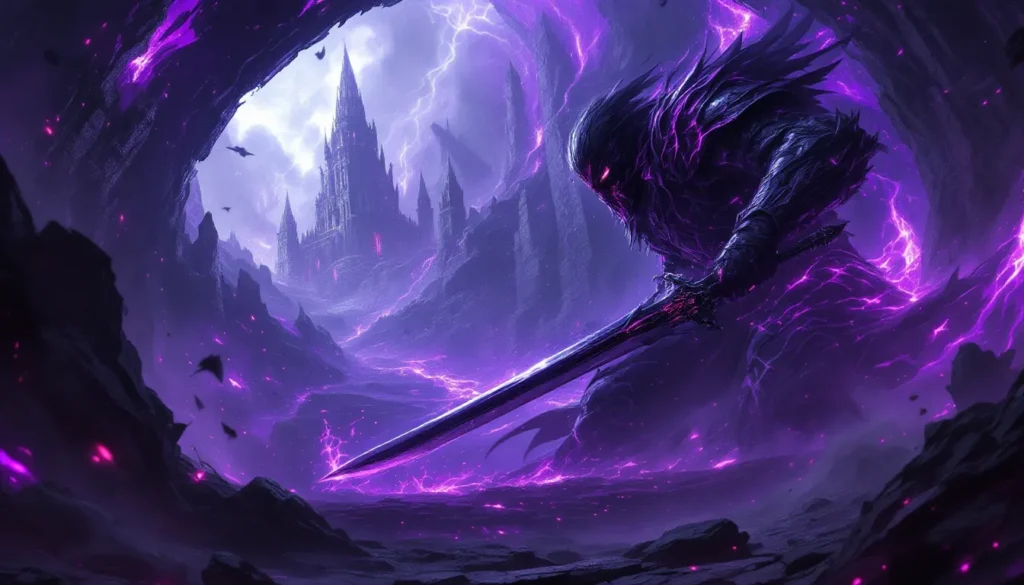
Final Fantasy: Strangers of Paradise arrived as a bold reinvention of the franchise, blending soulslike mechanics with Final Fantasy’s signature job system and narrative depth. Since its launch, it’s carved out a dedicated community of players hunting for optimal builds, mastering its unforgiving combat, and uncovering the layers of its complex story. Whether you’re diving in for the first time or refining your endgame strategy, this game demands respect, and rewards precision. This guide covers everything from understanding what makes Strangers of Paradise tick to climbing the difficulty ladder and optimizing your character for late-game challenges.
Table of Contents
ToggleKey Takeaways
- Final Fantasy: Strangers of Paradise combines soulslike combat mechanics with a deep job system, offering over 28+ job classes that dramatically alter gameplay strategy and playstyle.
- Master stamina management and boss pattern recognition before pursuing higher difficulties, as greedy attacks and careless play are punished far more severely than traditional Final Fantasy games.
- Gear optimization and stat prioritization drive character power more than raw level, making equipment affinity and legendary drops essential for progressing through Very Hard and Chaos difficulty.
- Strangers of Paradise’s narrative depth relies on discovering lore through item descriptions and environmental storytelling rather than exposition, rewarding players who engage deeply with Jack Garland’s fragmented, morally complex story.
- Post-game engagement spans Chaos dungeons, boss rushes, New Game+ playthroughs, and job experimentation, ensuring hundreds of hours of replayability for dedicated players.
- Current-generation consoles (PS5/Xbox Series X) and high-end PC hardware deliver 4K 60fps performance, while older platforms struggle with frame rate consistency—stability at 60fps is critical for endgame parrying and dodge timing.
What Is Final Fantasy: Strangers of Paradise?
Final Fantasy: Strangers of Paradise (often abbreviated as FFSoP) is a soulslike action-RPG developed by Team Ninja and published by Square Enix, initially released in 2022 and receiving continued updates through 2026. The game abandons turn-based or real-time menu combat entirely, instead embracing a stamina-based, fast-paced action system similar to Dark Souls or Nioh. It’s available on PlayStation 4, PlayStation 5, Xbox One, Xbox Series X
|
S, and PC (Steam).
The premise is refreshingly different from typical Final Fantasy fare. You play as Jack Garland, a warrior with fragmented memories, fighting through a world corrupted by an entity called Chaos. Unlike the hopeful, world-saving heroes of most FF titles, Jack operates in moral gray zones, his motivations aren’t always pure, and his relationship with destiny is complicated. This sets it apart tonally from its predecessors.
Team Ninja’s involvement brings their expertise in demanding combat design. Don’t mistake this for a typical JRPG wearing a soulslike coat. The game respects player skill and punishes carelessness, but it’s not gatekeeping difficulty for its own sake. There’s genuine strategy baked into loadout construction, job selection, and understanding enemy patterns. The job system, which incorporates 28+ jobs across multiple playstyle archetypes, ensures that your approach to combat can vary wildly depending on your setup.
Story and Setting: Unraveling the Narrative
The Plot Overview and Protagonist Jack
Jack Garland awakens with amnesia in a world drowning in chaos and darkness. His mission: seek out Chaos and destroy it. But the journey is far more twisted than a simple hero’s quest. Jack discovers he’s been reincarnated across multiple timelines, and his past selves have complex, morally ambiguous histories. Some were heroes, some were villains, and some were both.
The narrative unfolds across Stranger Worlds, parallel dimensions that Jack traverses to confront manifestations of Chaos and those seeking to weaponize it. Characters you meet aren’t always allies or enemies: loyalties shift, and motivations run deeper than surface-level good versus evil. The story gradually reveals that Jack may not be fighting against Chaos so much as becoming something else entirely. This isn’t Final Fantasy XIV’s heroic narrative or the nostalgic setup of Final Fantasy Origins, it’s existential and unsettling.
Jack himself is a fascinating protagonist because he’s relatively silent. The game tells his story through item descriptions, NPC dialogue, environmental clues, and brief, powerful cutscenes rather than exposition dumps. Players who engage with the lore piece by piece will find a rich, interconnected mythology.
World-Building and Lore Connections
Strangers of Paradise occupies a unique space in Final Fantasy lore. It exists as a reimagining of the original Final Fantasy’s concept of elemental chaos, but filtered through a modern, grittier lens. The job system ties directly to this, each job represents a different approach to channeling power against Chaos. The Warrior embodies raw strength, while the Black Mage taps into destructive magic, and the Paladin draws on protective faith. This isn’t flavor: each job has distinct gameplay consequences.
The game references and remixes classic FF concepts. Summons appear as boss encounters and abilities. Iconic music themes are reorchestrated. Enemy designs pull from series history. But, Strangers of Paradise doesn’t rely on nostalgia, it deconstructs these elements and asks what they mean in a world where Chaos is absolute.
The world-building emphasizes how Chaos corrupts and warps everything. NPCs aren’t simply good or evil: they’re survivors trying to make sense of an incomprehensible threat. Towns feel lived-in and desperate. Environmental storytelling shows how repeated exposure to Chaos has fractured civilization into scattered strongholds and isolated survivors. This creates a sense of isolation even when surrounded by characters, which perfectly matches Jack’s internal journey.
Combat System Mastery
Core Mechanics and Job Classes
Understanding Strangers of Paradise’s combat requires abandoning traditional JRPG expectations. There’s no turn order. You have a stamina bar that depletes with attacks, dodges, and blocks. Managing stamina is as critical as managing health, spam attacks and you’ll be defenseless mid-combo when enemies counterattack.
Jobs form the foundation of your build. Each job has:
- Two active skill slots (quick abilities bound to shoulder buttons)
- Two action abilities (longer combos tied to directional inputs)
- One special ability (powerful, resource-intensive moves)
- A unique passive buff (stat bonuses or defensive mechanics)
- Affinity multipliers (determines how quickly you level this job)
You can equip two jobs simultaneously and switch between them mid-combat. This flexibility is crucial. A common strategy: start a fight as a Swordmaster for high-damage combos, then swap to Paladin when overwhelmed to tank and heal.
Job progression works through use. Fight with a job, unlock its abilities. Level a job, unlock passive perks. The grind is real, but it’s intentional, specializing in one job versus spreading your focus has tangible consequences.
Early standouts include the Warrior (straightforward, forgiving, good damage), Mage (elemental spells, lower survivability), and Ranger (ranged DPS, positioning-dependent). Don’t sleep on hybrid jobs like Dragoon or Sage, they’re devastating in skilled hands but require understanding their specific rhythm.
Tips for Beginners and Difficulty Progression
Strangers of Paradise has five difficulty tiers: Story (trivial), Standard (moderate), Hard (the intended experience for first playthroughs), Very Hard (test your mechanics), and Chaos (endgame punishment). Most players should start on Standard or Hard, Story trivializes the combat entirely.
Beginning players often make these mistakes:
- Greed. Spamming attacks until your stamina depletes leaves you vulnerable. Attack twice, dodge, repeat. Patience beats panic every time.
- Ignoring blocks. Blocking doesn’t fully negate damage, but it mitigates it and preserves stamina better than rolling. Learn parrying, it’s powerful when timed right.
- Neglecting job variety. Forcing one job through all content is possible but painful. Experiment. Some jobs counter specific boss mechanics.
- Skipping abilities. Unlocking every ability for your equipped jobs isn’t optional, it’s how you access your full toolkit. Read what each ability does: positioning, damage type, and animation speed matter.
- Poor gear management. Equipment ties directly to stats. Don’t wear armor just because it looks cool. Check the stat breakdowns.
Progression tips:
- Farm gear between story chapters. Dungeons drop loot with better stats. Spending 15 minutes leveling gear pays dividends in boss fights.
- Learn enemy attack patterns. Bosses aren’t RNG fests. They have tells. A delayed swing, a breath animation, a stance shift, these signal what’s coming. Exploit that.
- Use items liberally. Potions, cure items, and buffs exist to be consumed. Hoarding them is counterproductive. Some boss fights are designed assuming you’ll use consumables.
- Respec often. Strangers of Paradise lets you freely reallocate ability points. Before a tough boss, spend time experimenting with different ability combinations.
Difficulty scaling: Hard mode is genuinely challenging but fair. Bosses hit hard and have substantial health pools, but they’re not unfair. Very Hard introduces significantly tighter DPS checks, you need to deal damage consistently while maintaining defense. Chaos difficulty locks behind endgame content and is primarily for players who’ve mastered the system.
Character Development and Progression
Leveling Strategies and Equipment Management
Character progression in Strangers of Paradise isn’t just about hitting a level cap, it’s about optimizing stats and gear synergy. Your character level does increase stats, but equipment is where the real power lives. A level 40 character in weak gear will struggle against a level 35 with optimized equipment.
Gear has an affinity system tied to jobs. Wear armor that boosts your primary job’s stats, and you’ll see massive differences in survivability and damage output. The game tracks your gear affinity with each job, so switching between playstyles is feasible without constantly swapping equipment.
Leveling approaches vary by player:
- Story-focused leveling: Progress through chapters, do side missions, and gear naturally scales. You’ll hit level caps that require endgame grinding.
- Aggressive grinding: Farm specific dungeons known for high-level drops. This accelerates progression but burns out fast.
- Balanced approach: Clear story content on difficulty spikes, then farm specific sections for 30-60 minutes to catch up. Most players find this satisfying.
Equipment rarity tiers (Common → Rare → Epic → Legendary) directly impact stats. Legendary gear offers significant advantages, but you’ll need to farm Chaos dungeons or complete specific boss challenges to obtain them. Don’t feel obligated to grind endlessly, many players complete Very Hard difficulty with Epic-tier gear.
Stat priority depends on your job and playstyle:
- Strength-based jobs (Warrior, Dragoon): Prioritize Strength, then Vitality
- Magic-based jobs (Black Mage, Sage): Prioritize Intelligence, then Vitality
- Hybrid jobs (Paladin, Ranger): Balanced stat distribution with secondary focus on survivability
- All builds: Vitality is never a wasted stat, it keeps you alive
Ability Customization and Loadout Optimization
Your two equipped jobs determine your available abilities, and this is where real theorycrafting begins. With 28+ jobs, the number of viable combinations is staggering. A Dragoon/Black Mage hybrid plays completely differently from a Warrior/Paladin pairing.
Loadout optimization requires understanding:
- Ability synergy: Some abilities combo naturally. Others are situational. A Berserker’s self-damage can be mitigated by a Paladin’s healing ability.
- Resource management: Some abilities consume MP, others are stamina-free. Building around your resource pool ensures you’re not stuck with full MP and empty stamina mid-fight.
- Cooldown awareness: Abilities have cooldowns. Stagger your ability usage so you’re not waiting for everything to come off cooldown simultaneously.
- Enemy weakness exploitation: Certain enemies take increased damage from specific ability types. Dark creatures take more damage from light-based abilities. Plan for this.
Optimal loadout construction involves testing. Spend time in practice areas experimenting with different job pairings and ability combinations. A loadout that feels clunky initially might click once you internalize the rhythm.
Common high-performing combinations:
- Swordmaster + Sage: High damage output with utility healing and support abilities
- Paladin + Black Mage: Tanky sustain with burst damage windows
- Ranger + Dragoon: Mobile DPS with strong positional advantages
- Warrior + Dragoon: Pure damage output, unforgiving but rewarding
Remember: there’s no single “best” loadout. The best loadout is the one you understand deeply and execute flawlessly. Master one combination before chasing the next. Recent patches have rebalanced several jobs, so stay current with patch notes if you’re pushing endgame content. The meta shifts, and what’s optimal today might be adjustable tomorrow.
Exploring Dungeons and Endgame Content
Boss Fights and Battle Strategies
Bosses are Strangers of Paradise’s calling card. Each boss fight is a puzzle to solve, and rushing into combat without understanding the pattern is a recipe for death. Unlike regular enemies, bosses have multiple attack phases, environmental hazards, and mechanics that punish specific behaviors.
Effective boss strategies:
- Observe first, attack second. Spend the first 30 seconds just dodging and watching patterns. Boss moves aren’t random, they telegraph their intentions. A charging animation precedes a dash. An overhead lift precedes a slam. Recognize these tells.
- Punish openings. After a boss completes an attack sequence, there’s a recovery window. That’s your damage window. Land 2-3 hits, then reposition. Don’t get greedy.
- Manage resources carefully. Don’t burn all your MP on the first phase. Big attacks need to be saved for critical moments or when the boss is vulnerable.
- Use consumables ruthlessly. Potions, elemental protection items, and status-cure items aren’t luxuries, they’re required. A single heal at the right moment salvages an otherwise failed run.
- Respect ranged attacks. Some bosses have projectile attacks. Don’t tank these, dodge or block them. Positioning matters.
Mid-game bosses that commonly cause trouble:
- Lich: High magic damage, summons adds. Spec for magic defense or focus on killing adds quickly.
- Garland (mid-game): Aggressive combo attacks. Practice parrying. This boss punishes button-mashing.
- Marilith: Multiple arms, rapid attacks. Her windows are small. Patience is mandatory.
Late-game bosses punish mistakes severely. Chaos-difficulty versions of bosses are essentially different fights, they have additional mechanics, faster attack speeds, and less forgiving openings. Attempting a Chaos boss unprepared is frustrating: attempting it with optimized gear, practiced ability combos, and proper strategy is exhilarating.
Post-Game Activities and Replayability
Strangers of Paradise’s endgame revolves around Chaos dungeons, challenge bosses, and New Game+ runs. After completing the story, you unlock Chaos difficulty and access to Stranger Worlds, special dungeons where you fight harder versions of story bosses and tackle new challenges.
Endgame activities include:
- Chaos dungeon farming: Repeatedly clear specific dungeons for Legendary gear drops. It’s grindy, but results are tangible.
- Boss rushes: Fight multiple bosses in succession without breaks. These test your mastery and reward rare items.
- Challenge quests: Special fights with specific restrictions (limited consumables, specific job requirements, time limits). These are for players seeking self-imposed challenges.
- New Game+ playthroughs: Start fresh on higher difficulty with knowledge of the story. Some players use NG+ to master underused jobs or attempt ironman-style runs.
- PvP (if available): Depending on patches, PvP elements may exist. Check current patch information.
Replayability is substantial. The story holds up on repeat playthroughs because you’ll catch details missed previously. Combat is engaging enough that running through dungeons remains fun, it’s not busywork. Experimenting with every job across every boss creates hundreds of hours of potential engagement.
Players who finished the story on Standard or Hard often jump into Very Hard immediately. This difficulty spike is real but manageable with current gear. Chaos difficulty is gatekeeping content, you’ll need optimized builds and thousands of hours of pattern recognition.
Performance and Technical Considerations
Strangers of Paradise runs on Unreal Engine 5, and performance varies significantly by platform. Understanding where you’re playing matters for both enjoyment and competitive endgame play.
PlayStation 5 achieves 4K 60fps with high fidelity. Load times are minimal. Ray tracing is optional but visually impressive. If you’re committed to mastering this game, PS5 is the gold standard for performance.
Xbox Series X matches PS5’s performance. Resolution and frame rate consistency are comparable. The ecosystem difference matters more than performance, choose based on your existing library.
PC (Steam) offers scalability. On high-end hardware (RTX 4070 or better), you’ll hit 4K 120fps. On mid-range setups (RTX 3070), expect 1440p 60fps. Very High or Ultra settings are recommended for visual fidelity. Input latency is typically lower on PC, which matters for frame-perfect parries and dodge timing.
PlayStation 4 and Xbox One show their age. Strangers of Paradise runs at 1080p 30fps, occasionally dipping below 30fps in intensive scenes. Loading times stretch to 30-40 seconds. Playable, not ideal. If possible, upgrade to current-gen hardware.
Technical issues worth noting:
- Occasional frame rate drops during intense combat: Rare, but it happens. Restart the application if performance degrades severely.
- Network latency (if applicable): Fast, stable internet is recommended for multiplayer features. A 50+ Mbps connection is ideal.
- Controller input lag: Slight variations between controller brands exist. Some players prefer the PS5 controller, others prefer Xbox’s D-Pad response. Test and adjust.
Optimization recommendations:
- Use performance mode over fidelity mode if frame rate inconsistency bothers you
- Lower ambient occlusion or ray tracing on PC if you’re targeting 144fps
- Disable motion blur if it causes motion sickness
- Check driver updates regularly (NVIDIA/AMD) to ensure optimal performance
For endgame boss runs, 60fps minimum is strongly recommended. Frame rate dips during critical moments can cause missed parries or dodges. If your platform can’t maintain stable 60fps, consider upgrading or playing on a more powerful device.
Conclusion
Strangers of Paradise stands as one of the most ambitious Final Fantasy titles in years, marrying Team Ninja’s combat mastery with the franchise’s narrative depth. It’s challenging but fair, demanding but rewarding. Unlike many modern JRPGs that prioritize accessibility, Strangers of Paradise respects player skill and time investment.
The path from newcomer to endgame master is clear: master the fundamentals, experiment with jobs, optimize your gear, learn boss patterns, and push into higher difficulties at your own pace. The story of Jack Garland unfolds differently for each player based on how deeply you engage with its lore and world.
Whether you’re drawn to soulslike combat, interested in Final Fantasy’s continuing evolution, or seeking a game that demands mastery, Strangers of Paradise delivers. It’s a game that rewards deliberate play, punishes carelessness, and remains engaging across multiple playthroughs. The community is welcoming, strategy resources are abundant, and new content continues arriving. Your journey against Chaos begins now, make it count.

