
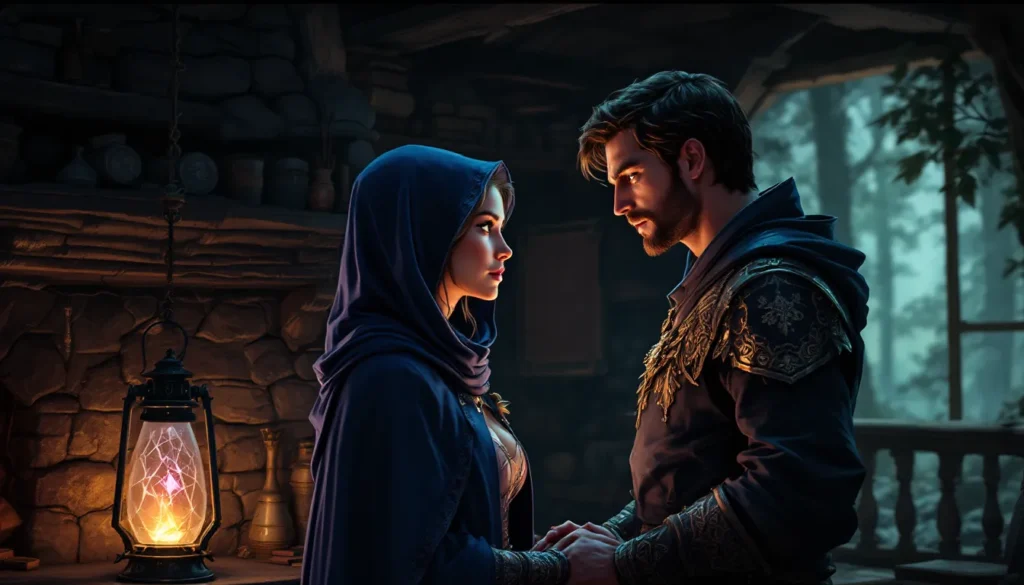
Romance has always been a cornerstone of Final Fantasy’s narrative power. From the iconic love triangle of Cloud, Tifa, and Aerith in Final Fantasy VII to the deeply interwoven relationships of Final Fantasy XIV, the franchise knows how to make players genuinely care about in-game connections. Whether you’re looking to unlock every romantic subplot, understand how relationship systems have evolved, or simply want to know which games deliver the most emotionally resonant love stories, this guide covers everything about Final Fantasy romance and relationships across the entire franchise in 2026. We’ll break down the mechanics that make these connections tick, explore the standout romance options available, and show you how to maximize the narrative impact of your playthroughs.
Table of Contents
ToggleKey Takeaways
- Final Fantasy romance systems evolved from hidden affection variables in FFVII to integrated narrative elements in modern titles, making relationship choices feel genuinely consequential to the story.
- The franchise prioritizes emotional depth and restraint over explicit content, creating romances that resonate across age groups and appeal to broader audiences through authentic character vulnerability.
- Optional content like role quests and character-specific questlines reveal relationship depth that transforms understanding of Final Fantasy characters and their romantic arcs.
- Slow-burn romances with emotional obstacles and ambiguity—such as Cloud and Aerith’s connection or Tidus and Yuna’s separation—generate deeper long-term fandom engagement than instant attractions.
- Investing time in dialogue nuance, housing customization, and multiple playthroughs fundamentally reshapes your Final Fantasy romance experience and emotional investment in character relationships.
- Final Fantasy XIV revolutionized relationship systems by integrating romance directly into endgame player housing and ceremony features, allowing players to marry NPCs and develop relationships outside main questlines.
Understanding Romance Systems in Final Fantasy Games
How Romance Mechanics Evolved Across the Franchise
The earliest Final Fantasy games barely acknowledged romance at all. The series was built around grand heroics and world-saving quests, relationships felt secondary, tucked into cutscenes and easily missed. But somewhere between Final Fantasy VI and VII, developers realized players were emotionally invested in which characters might end up together. This shift changed everything.
Final Fantasy VII opened Pandora’s box with its famous affection system. Depending on how you dressed Cloud and who you spent time with, you could influence which character would join him in his final scene before the climax. It wasn’t a full “romance system”, more like hidden variables that influenced cutscene outcomes, but it sparked years of debate among fans about true romance options.
By the time Final Fantasy X arrived, the formula had solidified. Tidus and Yuna’s relationship felt inevitable yet earned, built through story progression rather than hidden parameters. FFX understood that romance works best when it serves the narrative, not when it’s detached from the main plot.
FFXIV took this further by integrating intimate relationships directly into endgame content and player housing. The shift toward relationship mechanics that felt integrated rather than bolted-on represented a major evolution. Players could now marry in-game characters, create families, and have their relationship choices reflected throughout their home.
Key Features of Modern Relationship Systems
Modern Final Fantasy romance mechanics tend to share common elements that make them feel meaningful rather than superficial:
Affinity/Approval Tracking: Most modern entries track how much a companion likes the player character based on dialogue choices, gift-giving, and mission selection. This invisible meter influences relationship progression and available scenes.
Multiple Romance Paths: Rather than locking players into one option early, contemporary games let you pursue different characters simultaneously until a commitment point forces exclusivity.
Narrative Integration: Romance isn’t optional side content anymore. Character relationships affect story outcomes, dialogue, and sometimes even battle mechanics or ability access.
Intimacy Levels: Modern games distinguish between friendship, deep connection, and romantic partnership. Not every relationship leads to romance, and that’s intentional. Some of the most beloved character pairs never cross into explicit romance but maintain profound emotional bonds.
Cosmetic and Mechanical Rewards: In FFX[I], romantic choices can unlock special housing decorations, cosmetic costumes, or in some cases, unique abilities tied to character bonds.
Romance Options in Final Fantasy XIV
Available Companion Relationships and Intimacy Levels
FFXIV handles romance differently than mainline entries because its MMO structure means every player has their own Warrior of Light, there’s no fixed protagonist to romance. Instead, the game offers romance options tied to specific questlines and player housing content.
The primary romance options center around the main scenario quests and character-specific questlines. Alphinaud, Alisaie, Estinien, Thancred, and others have developed relationship paths that escalate based on player choices and story progression. But, FFX[I] keeps most “romantic” content relatively modest compared to single-player JRPGs. Cutscenes hint at deeper connections rather than explicitly depicting them.
Player housing introduced a major shift in 2015 when Free Company housing launched, followed by personal housing. This opened up a new dimension: permanent, personal spaces where characters could visit and develop relationships outside the main questline structure. Marrying other players through the ceremony feature created an entirely new relationship tier.
Relationship progression typically follows this path: Acquaintance → Friend → Trusted Companion → Romance Interest (if applicable). Not every key character has a romance option, and that’s by design. Some characters, like Y’shtola or Thancred early on, develop as trusted allies rather than romance options, which actually makes their bond feel more genuine.
How to Unlock and Develop Romantic Bonds
Unlocking romance in FFX[I] requires commitment to specific questlines. The main scenario quests guide most relationship development organically, but character-specific role quests (introduced with the Shadowbringers expansion) offer deeper dives into individual arcs. These role quests aren’t mandatory for progression, which means many players miss important relationship development opportunities.
Key strategies for maximizing relationship content:
Complete All Role Quests: Available in the Shadowbringers expansion and beyond, these quests develop characters far beyond what the main story provides. Estinien’s trials questline, for example, reveals layers of his character that fundamentally change how players understand him.
Pay Attention to Dialogue Choices: While [FFX[I] romance is less influenced by player dialogue than single-player FF games, certain dialogue selections still matter, particularly in role quests and special relationship events.
Pursue Housing Content: If you own a personal house or Free Company estate, certain characters have housing-related events. Decorating your home and maintaining it creates space for relationship moments.
Engage with Seasonal Events: Holidays and special events often include character-specific scenes that develop relationships. Missing these events means missing relationship beats.
Max Affection: While not as gamified as some JRPGs, gift-giving and spending in-game time with companions influences how they interact with the player.
Romance and Relationships in Other Mainline Titles
Final Fantasy VII and Its Iconic Love Interests
No Final Fantasy romance discussion starts anywhere but FFVII. The triangle between Cloud, Tifa, and Aerith defined how players think about video game romance. The genius of that setup wasn’t the love triangle itself, it was that your relationship choices actually felt consequential.
The affection system worked through hidden variables. How you dressed Cloud, which character you picked for certain battles, and dialogue responses all accumulated “affection points.” This determined whose theme played in your final moments and who appeared in specific scenes. Most importantly, it felt earned rather than arbitrary.
Tifa represented comfort and history. She and Cloud shared a past, which made her romance option feel familiar and grounded. Aerith offered mystery and otherness, she was extraordinary in ways Cloud wasn’t equipped to understand, which created romantic tension through incompleteness.
Final Fantasy VII Remake refined this system while keeping the tension intact. The Remake increases emphasis on relationship development through expanded character moments, though it maintains ambiguity about “true” outcomes. Some players who invested in Cloud-Tifa moments felt more satisfied: others who focused on Cloud-Aerith interactions felt equally fulfilled. That’s exactly how this should work.
Final Fantasy X and FFX-2 Relationship Depth
Final Fantasy X approached romance differently: it made Tidus and Yuna’s relationship essential to the plot rather than optional. Their connection wasn’t hidden behind affection meters, it was woven directly into the narrative. This created a different kind of emotional investment.
The genius move was that their romance felt earned not because of player choices, but because their emotional journey paralleled the main plot. Tidus’s introduction felt distant and dismissive of Yuna: by the end, his realization of her sacrifice became the emotional core of the entire game. That’s romance integrated into narrative structure.
FFX-2 took another approach entirely. A thousand years have passed, Tidus is effectively gone, and Yuna embarks on a journey of self-discovery. The romance options in Eternal Calm and throughout X-2 reflect Yuna as an autonomous character making choices separate from Tidus. While not a traditional romance sequel, it brilliantly explores what happens when the previous game’s romance is forcibly ended.
Other Notable Romance Storylines Across Entries
Final Fantasy VIII: Squall and Rinoa’s romance develops through forced proximity and emotional vulnerability. Their relationship arc represents growth through conflict, they actively dislike each other at first, which makes their eventual bond feel more authentic than love-at-first-sight alternatives.
Final Fantasy IX: Zidane and Dagger’s romance occurs against the backdrop of her character arc from princess to independent leader. Their relationship feels balanced because neither character makes the other’s story, they enhance it. Recent Final Fantasy XIV Mods and similar tools let players customize how these classic relationships appear in modern content.
Final Fantasy XIII: The romance between Snow and Serah exists primarily in backstory and recovered memories, making it both present and absent. It’s a relationship fractured by circumstances rather than emotional incompatibility, the narrative explores separation and longing rather than traditional courtship.
Final Fantasy XV: Noctis and Luna’s relationship is built almost entirely through separation and destiny. They’re meant to be together, yet the game deliberately keeps them apart, making their eventual reunion carry crushing emotional weight. Their bond represents obligation transformed into genuine love through trials.
Resources like Siliconera regularly cover how these franchises approach relationship narratives, offering additional perspective on character development across the series.
Community Perspectives on Romance Content
Player Preferences and Shipping Culture
Final Fantasy fandom is defined in part by romantic shipping, the practice of supporting specific character pairings and creating content around them. Walk into any FF community space and you’ll find spirited (occasionally heated) discussions about which romances “should” be canon or which characters have better chemistry.
Shipping culture created the “Clerith vs. Cloti” divide in FFVII fandom that persisted for 25+ years. Cloud’s appearance in subsequent entries, extended universe material, and especially the Remake rekindled debates that players thought settled decades ago. The community largely agreed on one thing: both pairings had legitimate narrative support, and the ambiguity enriched the story rather than weakening it.
FFXIV’s player base gravitates toward different preference patterns. Some players actively pursue romance options tied to their character role, while others treat romance as incidental to gameplay. The anonymity of an MMO means people can indulge romantic preferences without concern, your character can marry the NPC you like without community judgment.
Polling and sentiment analysis across Reddit, Discord servers, and fan sites reveal consistent preferences:
- Slow-burn romances (like Squall/Rinoa) tend to generate more passionate long-term fandom engagement than instant attractions
- Relationship asymmetry (where characters have different emotional investment levels) creates richer discussion than balanced pairings
- Angst and separation enhance romantic investment rather than diminish it, the most beloved FF romances involve significant obstacles
- Canon ambiguity paradoxically strengthens shipping culture by allowing fans to feel their preferred pairing remains viable
Fan-Created Content and Fandom Discussions
Final Fantasy romance spawns more fan content than any other aspect of the franchise. Art, fiction, analysis essays, and videos exploring character relationships dominate spaces like AO3, Tumblr, and Twitter. This isn’t casual fan engagement, it’s deep creative work that rivals official content in sophistication.
The Final Fantasy XIV gameplay communities have developed robust traditions around romance roleplay and character development. Free Companies organize dating events, players write elaborate backstories for their characters’ relationships, and romance becomes a form of social bonding within the game itself.
Fandom discussions trend toward analytical rather than purely emotional. Fans dissect relationship mechanics, compare how different games handle similar scenarios, and create ranking systems for romance options across the entire franchise. This analytical approach reflects how seriously gamers take these narratives.
Community perspectives also influence developer decisions. Feedback on FFX-2’s treatment of Yuna directly shaped how FFXIII approached Serah, which informed FFXV’s narrative structure about Noctis and Luna. Modern game developers understand that romance communities aren’t peripheral, they’re passionate, articulate audiences whose engagement sustains franchises between major releases.
Fan wikis maintain meticulous documentation of romance options, affection mechanics, and relationship requirements. This institutional knowledge-gathering shows how seriously players take this content, they want guides that rival official strategy guides in precision.
Mature Themes and Content Ratings
ESRB Ratings and What They Mean for Romance Content
Final Fantasy games typically carry ESRB ratings of T for Teen or M for Mature, with ratings primarily driven by violence rather than sexual content. Understanding these ratings helps clarify what romance content actually involves.
T for Teen (rated FFVII, FFX, FFXIV): Violence, some blood, and suggestive themes characterize most FF titles. “Suggestive themes” typically means romance implications without explicit depiction. A fade-to-black kiss or a scene implying physical intimacy counts here rather than explicit content.
M for Mature (rated FFXV, certain editions of FFVII Remake): Blood, violence, and occasionally more explicit suggestive content. FFXV’s M rating reflects its darker tone across all content, not specifically romance elements.
The critical distinction: Final Fantasy games aren’t erotic content. Even entries rated M maintain restraint around intimate scenes. The franchise prioritizes emotional connection over physical depiction, which means romance feels meaningful rather than gratuitous.
FFXIV specifically keeps romance content particularly modest for an online multiplayer game. Wedding ceremonies between players are treated as ceremonial rather than intimate events. Character relationships develop with conversation and shared experiences, not physical escalation. This approach maintains the game’s accessibility while respecting that players of all ages participate.
Narrative Storytelling vs. Explicit Content
Final Fantasy’s approach to romance fundamentally prioritizes narrative over explicit content. This isn’t due to censorship, it’s a deliberate artistic choice that, frankly, works better.
Consider FFVII’s Cloud-Aerith relationship. The most famous moment isn’t an intimate scene, it’s them chatting in Midgar’s slums before everything collapses. That conversation carries more romantic weight than any explicit content could. The scene works because it reveals character vulnerability through dialogue.
FFX takes this further. Tidus and Yuna never share a conventional romantic scene. Instead, their romance lives in underwater sequences, quiet moments between cutscenes, and the implication of their final night together. That restraint makes their connection feel more authentic and emotionally complex.
FFXIV’s role quests demonstrate this principle at scale. Estinien’s questline creates profound emotional resonance through shared sacrifice and vulnerability, not through physical intimacy. The game trusts players to understand that deep emotional connection is the romantic content.
This storytelling approach allows Final Fantasy romances to reach broader audiences than explicit content permits. A 13-year-old playing FFVII understands Cloud and Aerith’s connection: a 50-year-old recognizes the complexity of Tidus and Yuna’s separation. The emotional truth transcends age ratings.
Research from RPG Site consistently shows that gamers prioritize emotional investment over explicit content when rating romance in narrative games. The highest-rated video game relationships tend to involve restraint, implication, and earned emotional beats rather than explicit depiction.
Enhancing Your Romance Experience: Tips and Recommendations
Maximizing Character Connection and Story Impact
If romance is important to your FF experience, treating it as a deliberate goal changes how you engage with games. Here’s how to maximize emotional impact:
Engage with Optional Content: Main-story romance moments are guaranteed: optional character quests, sidequests, and hidden scenes reveal relationship depth. FFXIV’s role quests aren’t mandatory, yet they transform your understanding of every character. Invest time in these.
Pay Attention to Dialogue Nuance: Even games where dialogue “doesn’t matter” for romance mechanics benefit from careful attention to what characters actually say. Squall’s dismissiveness toward Rinoa carries different weight if you understand his emotional guardedness. Cloud’s emotional unavailability with Aerith means something different knowing his psychological state.
Create In-Game Time for Relationships: In games offering housing or free exploration, spending time in personal spaces develops character connections. FFXIV players who decorated homes specifically for romantic partners report deeper investment than those treating housing as pure function.
Document Your Choices: Keep notes on which dialogue choices you select and how characters respond. You’ll notice patterns that reveal how your preferences shape relationship outcomes, even in games where these choices feel minor.
Replay with Different Approaches: Different romance paths fundamentally reshape your narrative experience. Cloud’s story feels different if you prioritize Tifa versus Aerith. Tidus’s emotional journey means something different through the lens of eventual separation. Multiple playthroughs genuinely offer multiple stories.
Recommended Games for Romance-Focused Players
If romance is your primary interest, certain FF entries deliver stronger experiences:
Final Fantasy VII (Original and Remake): The affection system makes your romance choice feel consequential, and the ambiguity ensures both paths feel valid. Final Fantasy VII Remake significantly expanded Tifa and Aerith’s character development, making either romance feel deeply earned.
Final Fantasy VIII: Squall and Rinoa’s arc represents character growth through romantic connection. Their relationship arc drives the narrative in ways that make romance feel essential rather than supplementary.
Final Fantasy X: Tidus and Yuna’s relationship integrates perfectly with the story’s emotional core. If you want a romance that is the story rather than separate from it, FFX excels.
Final Fantasy XIV (Endwalker and Beyond): The Endwalker expansion deepened relationships established across prior expansions. If you’ve played through Shadowbringers, Endwalker delivers payoff that justifies every moment. The Final Fantasy XIV Shadowbringers expansion specifically introduced relationship-heavy content that Endwalker builds upon.
Final Fantasy XV: While criticized for other reasons, FFXV’s treatment of Noctis and Luna’s relationship carries genuine emotional weight. The separation theme creates lasting impact.
Final Fantasy IX: Zidane and Dagger’s romance feels balanced and authentic precisely because neither makes the other’s story. Their relationship involves genuine companionship rather than dependency.
Avoid expecting overt romance content if you’re coming from romance-focused visual novels or dating sims. Final Fantasy excels at emotional connection, not explicit intimacy. But if you want video game romance that respects both character autonomy and emotional depth, this franchise consistently delivers.
Gaming sites like Gematsu track upcoming FF releases and character-focused expansions. Following their coverage helps you identify which upcoming entries might emphasize romance content.
Conclusion
Final Fantasy’s approach to romance has matured significantly from its early entries’ minimal relationship focus into integrated, narratively essential connections that rival any medium for emotional authenticity. Whether you’re drawn to Cloud’s impossible triangle, Tidus and Yuna’s devastating separation, or the quiet character development of FFX[I] relationships, the franchise understands that romance means nothing without character depth.
The evolution from hidden affection meters in FFVII to role-quest character development in FFX[I] shows how developers learned to prioritize emotional truth over mechanical complexity. Modern Final Fantasy romance works because it serves the story, not because it caters to player wishes. When a character’s romantic arc challenges rather than flatters your expectations, that’s when it resonates most.
Your experience with FF romance depends entirely on the investment you bring. A player rushing through dialogue will miss the subtle character moments that make these relationships meaningful. A player paying attention to character vulnerability, emotional growth, and narrative structure will find some of gaming’s most sophisticated relationship writing. Final Fantasy gives you the tools: how deeply you engage with those stories determines what you get out of them.

