
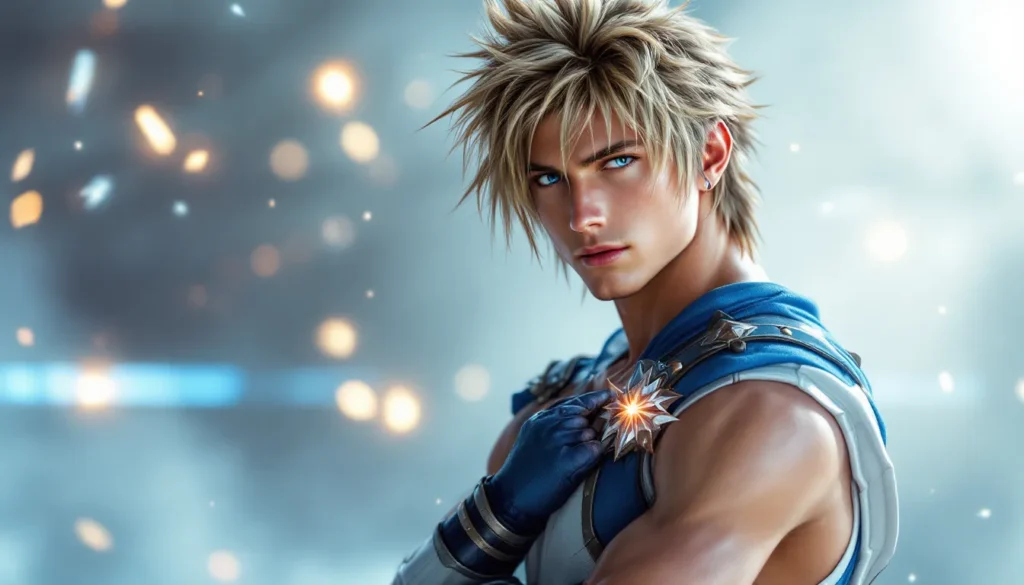
Final Fantasy X stands as one of the franchise’s most beloved entries, and at its heart is Tidus, a character who’s become synonymous with jRPG protagonists done right. Whether you’re revisiting Spira for the hundredth time or experiencing his journey for the first time, understanding Tidus’s complex arc, motivations, and combat prowess is essential to appreciating why FFX remains culturally significant over two decades later. This guide breaks down everything you need to know about Tidus: his background, character development, combat abilities, relationships, and the franchise impact he’s left behind. If you’re looking to optimize your playthrough or simply understand why this former blitzball star matters so much to the gaming landscape, you’re in the right place.
Table of Contents
ToggleKey Takeaways
- Tidus Final Fantasy X’s protagonist transforms from a cocky blitzball star into a mature hero through earned character development driven by love, sacrifice, and understanding of Spira’s world.
- His combat versatility makes Tidus essential throughout FFX, excelling as either a primary damage dealer with Blitz King or a support specialist controlling turn order with Haste abilities.
- The controversial Dream Zanarkand revelation recontextualizes Tidus’s entire journey, turning the narrative into a meditation on love, sacrifice, and the meaning of existence beyond metaphysical limitations.
- Tidus’s relationships with party members—particularly his evolving bond with Yuna—form the emotional core of Final Fantasy X and remain impactful decades later due to genuine character chemistry and dialogue depth.
- His legacy extends beyond FFX through appearances in crossover titles like Dissidia Final Fantasy and continued cultural relevance across modern platforms (PS3, PS Vita, Switch, PC), introducing him to new generations of players.
Who Is Tidus? Understanding The Main Protagonist
Tidus’s Background and Origins
Tidus is introduced as a star blitzball player from the metropolis of Zanarkand, living a comfortable life surrounded by fame and privilege. He’s cocky, energetic, and seemingly invincible, a kid riding high on athletic success with little concern for the world beyond the stadium. But here’s the critical detail: Zanarkand as Tidus knows it isn’t what it seems. Without spoiling the game’s major revelations, his background is rooted in a world that exists in a state of spiritual limbo, which directly informs every decision and emotion he experiences throughout the story.
Physically, Tidus is lean and athletic, his design reflects his blitzball career before becoming a warrior. His costume shifts throughout the game, with his later equipment reflecting his evolution from athlete to hero. On PS2, Tidus appears with a bright, youthful energy that carries into the remastered versions on PS3 and PS Vita, maintaining visual consistency across platforms.
His Role in Final Fantasy X’s Narrative
Tidus doesn’t start his journey as a willing participant. He’s thrust into a pilgrimage against Sin, a destructive force that devastates Spira in cycles, alongside Yuna, a summoner who plans to make the ultimate sacrifice. His role evolves from reluctant tag-along to essential guardian, and eventually to someone fighting for a future he desperately wants to believe is possible.
What makes Tidus’s narrative role compelling is that he’s an outsider. He doesn’t understand Spira’s religion, its politics, or why everyone accepts Sin as an inevitable disaster. This outsider perspective lets players experience the world’s lore through his eyes, making exposition feel natural rather than forced. His gradual understanding of Spira, and his growing love for Yuna, becomes the emotional backbone of the game’s 50+ hour runtime.
Tidus’s Character Development Throughout the Game
Early Story Arc and Initial Motivations
In the opening hours, Tidus is a kid who wants to get back home. His motivations are simple: get separated from Yuna’s group, figure out how to return to Zanarkand, and maybe help this summoner girl along the way because, well, she’s interesting. He’s cocky about his combat abilities (unjustifiably so at first), skeptical of Spira’s traditions, and honestly a bit annoying, which is intentional character design.
His early interactions with the party reveal his immaturity. He clashes with Kimahri, makes light of Wakka’s religious devotion, and generally approaches danger with bravado rather than wisdom. But this isn’t a flaw in the writing: it’s the foundation of his arc. The game knows exactly what it’s doing with Tidus, and his growth depends on the player understanding his starting point.
Transformation and Personal Growth
As the narrative progresses, Tidus learns that Spira’s problems can’t be solved by athletic prowess or ignorant optimism. Encounters with Sin, confrontations with Seymour, and especially his deepening relationship with Yuna force him to mature. By the second half of the game, he’s no longer the cocky kid obsessed with blitzball and getting home, he’s a man willing to sacrifice everything for the people he loves.
This transformation is gradual and earned. The game doesn’t tell you Tidus has grown: it shows you through his dialogue, his willingness to listen to others, and his desperate determination to find a way forward even when the situation seems hopeless. His famous “laugh” scene is a perfect encapsulation of this: a moment where he’s not trying to be cool or strong, just vulnerable with Yuna. That scene, more than any stat increase, defines Tidus’s character development.
Tidus’s Combat Abilities and Skill Set
Blitzball Player to Legendary Warrior
Tidus starts as a physical attacker with decent speed and below-average HP for a protagonist. In the early game, his Attack stat is reliable, but he lacks the defensive bulk of Wakka or the magical prowess of Lulu. His early abilities, basic physical strikes and Quick Hit, are functional but unremarkable. But, his role in the party evolves dramatically as you progress through Spira.
By mid-to-late game, Tidus becomes a Haste-inducing support character with the ability to control turn order. His Sphere Grid progression (which varies depending on which board you follow) offers flexibility: you can build him as a pure damage dealer, a swift support unit, or a hybrid capable of both. This versatility makes him invaluable in competitive speedrunning and challenge runs, where controlling initiative is paramount.
Overdrive and Special Abilities
Tidus’s Overdrive ability, Blitz King, delivers multiple rapid strikes that scale with his current HP. When properly built and Overdriven, Tidus can deal thousands of damage in a single turn, critical against late-game bosses like Seymour Omnis and Yu Pagoda. His damage ceiling rivals Wakka’s and exceeds most other physical attackers when built correctly.
His signature ability is Haste, which he learns through the Sphere Grid. This single ability makes him one of the most valuable characters in any serious playthrough. Combined with Quick Hit and access to spells like Hastega, Tidus can essentially control how many turns the party takes compared to enemies, a game-changer in both story battles and optional fights like Penance in the International and HD Remaster versions.
On International Edition and all remastered versions (PS3, PS Vita, Switch, PC, Xbox One/Series X
|
S), Tidus also gains access to Trigger Command abilities through his armor and weapon enhancement paths. These scale based on his stats and provide burst damage options outside of traditional Overdrive mechanics.
Key Relationships and Party Dynamics
Tidus and Yuna: A Central Relationship
Tidus and Yuna’s relationship is the emotional core of Final Fantasy X. It starts as a simple alliance of convenience, he needs help, she needs guardians, but evolves into genuine affection and love. What’s remarkable about their relationship is how the game handles it: there’s tension, misunderstanding, and periods where they’re at odds, but the core of mutual respect and care never wavers.
Yuna’s sacrifice plays into Tidus’s character because it forces him to confront the reality of Spira’s cycle and his powerlessness against it. By the end, Tidus isn’t just fighting for victory: he’s fighting for a future where Yuna doesn’t have to die. This emotional investment elevates the narrative beyond typical jRPG fare and explains why their story remains impactful decades later. Their relationship also informs many side quests and optional dialogue exchanges, rewarding players who engage deeply with the narrative.
Bonds with Other Guardians and Allies
Tidus’s relationships with the other guardians reveal different facets of his character. With Wakka, there’s friction rooted in religious differences and cultural misunderstanding, but genuine friendship develops. With Kimahri, respect grows as Tidus learns humility. With Lulu, he faces quiet judgment that he gradually earns past. With Auron, there’s a mentor dynamic that becomes more complex as Auron’s true nature is revealed.
These relationships matter tactically, too. The Trigger Command system in the remastered versions occasionally triggers additional dialogue during battles when specific party combinations fight together, adding flavor to combat encounters and rewarding players who experiment with different group compositions. Tidus’s bonds with his allies directly influence how invested players become in the overall narrative, making character chemistry as important as character stats.
The Ending Explained: What Happens to Tidus
Dream Zanarkand Revelation
The ending of Final Fantasy X is one of gaming’s most debated narrative moments. Without diving into full spoilers for those who haven’t finished: Zanarkand and Tidus himself are not what they appear to be. Tidus is revealed to be a “Dream” in a metaphysical sense, a creation of sorts tied to Zanarkand’s spiritual nature. This revelation recontextualizes everything you’ve experienced, transforming the story from a simple hero’s journey into a meditation on love, sacrifice, and what it means to exist when your very being is tied to forces beyond your control.
This twist generates passionate debate among fans. Some view it as brilliant thematic storytelling that deepens Tidus’s arc: others find it undermines his agency and the narrative stakes. Both interpretations are valid, and Square Enix clearly intended this ambiguity. Recent commentaries from developers have acknowledged the ending’s divisiveness while standing behind its narrative intentions.
Consequences and Emotional Impact
The ending’s consequences ripple through Final Fantasy X-2, which directly addresses what happens to Tidus after the events of the original game. Without spoiling the sequel, the ending leaves players with a bittersweet resolution that prioritizes emotional truth over traditional “happy ending” tropes. It’s deliberately designed to linger, making you question the nature of the journey you’ve experienced and whether Tidus’s existence, even though its metaphysical complications, holds genuine meaning.
This emotional weight is why Tidus remains culturally relevant. The ending provokes discussion because it challenges players to define what makes a character real, what makes a sacrifice meaningful, and whether love transcends metaphysical limitations. It’s the kind of narrative conclusion that improves with age and multiple playthroughs, rewarding players who engage critically with the story.
Tidus’s Legacy in Final Fantasy Franchise
Impact on Final Fantasy X-2 and Spin-offs
Tidus’s absence in Final Fantasy X-2 is itself significant. His story concludes in the first game, and the sequel deliberately shifts focus to Yuna’s agency and her journey post-FFX. But, his presence permeates X-2 through its narrative preoccupation with his fate. Players spent the sequel searching for ways to bring him back or secure his future, making him a phantom protagonist influencing every decision.
Beyond direct sequels, Tidus appears in crossover titles like Dissidia Final Fantasy and Dissidia NT, where his moveset reflects his combat abilities from FFX while giving him a broader stage to compete against other franchise protagonists. His participation in these tournaments canonically exists outside the main timeline, but they serve as fan service celebrating his status as an iconic protagonist. Final Fantasy XIV and other recent titles occasionally reference FFX’s legacy, with Tidus serving as shorthand for “the blitzball player who fought Sin.”
Cultural Significance and Fan Reception
Tidus occupies a unique place in Final Fantasy fandom. He’s beloved by players who grew up with FFX on PS2, who experienced his story during crucial adolescent years. He’s simultaneously mocked by parts of the internet, his early-game cockiness, his laugh scene, and his somewhat high-pitched English voice acting became meme material. Yet, critically, most fans recognize these “flaws” as intentional character design that serves the narrative.
Recent playthroughs by new audiences discovering FFX through ports on PS3, PS Vita, Switch, and PC have introduced Tidus to younger gamers, and reception remains largely positive. Gaming media outlets consistently rank FFX among the best Final Fantasy games, with Tidus’s character arc cited as a major reason. GameSpot and IGN retrospectives on FFX frequently highlight Tidus as a protagonist who evolved the jRPG genre, proving that gaming narratives could be emotionally complex and psychologically nuanced.
Playing as Tidus: Tips and Strategy Guide
Optimal Equipment and Ability Builds
For a standard playthrough, Tidus should be built with early investment in Strength and Speed. Prioritize Agility on his Sphere Grid to ensure he acts before major enemies, allowing you to apply Haste before threats escalate. His signature weapons, increasingly available as you progress, should be upgraded with Aura and First Strike properties when possible, enabling him to open battles with offensive or supportive ability.
In the endgame, two viable builds emerge:
Offensive Build: Maximize Strength and Agility, focus on weapons with high Attack values and properties like Piercing (helpful against armored foes). Equip armor with HP+ and Defense enhancements to prevent one-hit kills. Abilities like Quick Hit, Blitz King, and Hastega dominate this playstyle.
Support Build: Prioritize Agility and maximize spell access through Sphere Grid progression. This build enables Tidus to control initiative entirely, applying Haste, Regen, and Protect before enemies act. Against enemies resistant to physical damage, this build remains relevant throughout the game.
For the International and HD Remaster versions specifically, Tidus can access Ultimate Weapon Ultimate Tidus is known as Caladbolg. This weapon requires collecting all Celestial Weapons’ prerequisite materials (Aeons, Sigil, and Sigil pieces), but the payoff is a multiplicative damage increase that makes him viable in optional superbosses like Penance and Dark Aeons.
Combat Strategy for Challenging Boss Fights
Against story bosses, Tidus’s role depends on party composition. Early bosses (Sin, Anima, Seymour) require aggressive offense: Tidus should attack while letting Lulu handle magic damage. Mid-game bosses introduce status effects, Poison, Silence, Darkness, where Tidus’s speed becomes critical for applying Full-Life, Esuna, or Regen before the party wipes.
Late-game bosses like Seymour Omnis demand a hybrid approach. Start by applying Haste to the party, then switch to offensive attacks once initiative is secured. If the boss applies Slow or Stun, immediately react with Hastega or healing. His Overdrive meter fills fastest when taking damage, so don’t shy away from letting Tidus absorb hits if he’s built defensively.
For optional superbosses (found in both vanilla and International versions), Tidus becomes essential. Penance, the ultimate optional superboss in the International and HD Remaster versions, has multiple phases requiring sustained damage output and utility. Position Tidus as your primary damage dealer once Protect and Haste are applied. If using Celestial Weapons, his Aura ability (learned near endgame) adds 15% damage per use, stacking multiplicatively, critical for breaking 9999-damage thresholds required to finish Penance efficiently.
General combat tips:
- Use Quick Hit when Overdriven to maintain action economy against tough encounters
- Never skip Hastega, action economy determines most boss fights
- Against magic-heavy bosses, apply Protect and Haste before switching offensive
- In party rotation, keep Tidus on the field unless a specific enemy weakness demands a substitute
- During Overdrive sequences, prioritize burst damage over utility unless the party is in critical condition
Conclusion
Tidus represents a pivotal moment in jRPG storytelling. He’s a protagonist who stumbles, makes mistakes, and grows through adversity rather than simply becoming stronger and wiser by default. His narrative arc from cocky blitzball star to desperate hero fighting against impossible odds remains emotionally resonant across multiple playthroughs and platforms.
Combat-wise, Tidus is versatile and essential. Whether built as a pure attacker or support specialist, he remains viable from beginning to end, with his speed and access to Haste making him indispensable in serious playthroughs. His relationships with other characters anchor the narrative, and his ending, but debatable, cements FFX as a landmark achievement in gaming storytelling.
If you’re planning a replay of Final Fantasy X or experiencing it for the first time on modern platforms (PS3, PS Vita, Switch, or PC), understanding Tidus’s depth, both narratively and mechanically, enhances the experience significantly. He’s not just a protagonist: he’s the reason so many players revisit Spira repeatedly, decade after decade. For detailed insights into the broader Final Fantasy experience, explore Final Fantasy XIV Jobs and community discussions at Final Fantasy XIV, where players continue sharing perspectives on storytelling across the franchise. Game Rant regularly covers retrospectives on Final Fantasy classics, offering additional context on how Tidus’s legacy influences modern game design.

