
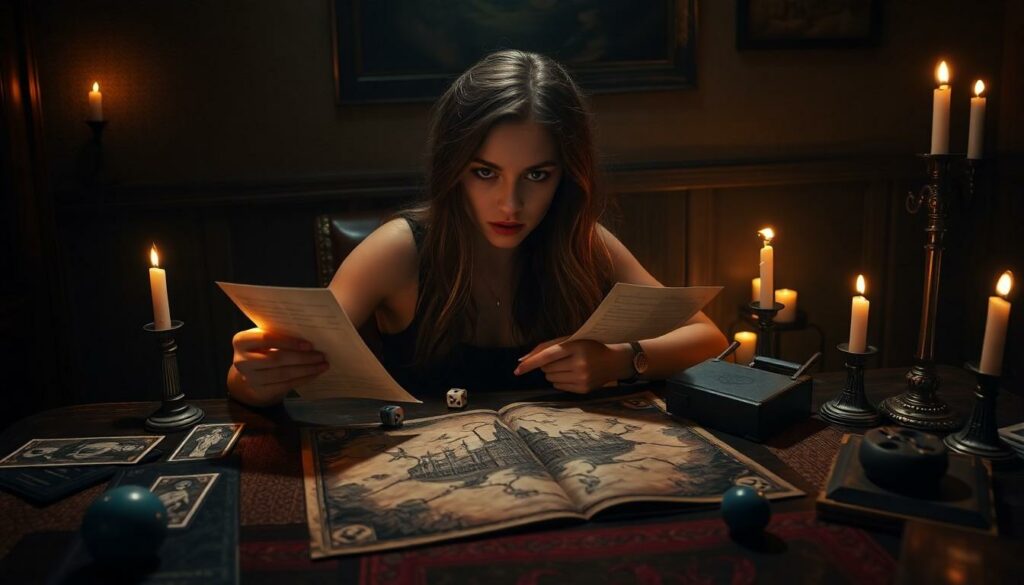
In a world where reality often feels mundane, horror RPG games offer a thrilling escape into the dark unknown. They blend storytelling, strategy, and spine-chilling scares, making players question whether they should be reaching for the controller or a comforting blanket. Imagine diving into a realm where every decision could lead to your character’s demise or a terrifying encounter with the supernatural. It’s a rollercoaster ride of emotions, complete with unexpected twists that keep players on the edge of their seats.
Overview of Horror RPG Games
Horror RPG games deliver thrilling narratives combined with gameplay that engages players on multiple levels. These games create an atmosphere of suspense, prompting players to navigate intense scenarios filled with fear and excitement.
Definition and Characteristics
Horror RPG games blend role-playing mechanics with horror elements. Players assume characters, often facing supernatural forces or psychological horrors. The genre emphasizes storytelling, character development, and decision-making. Features like limited resources amplify tension, forcing players to think strategically about their actions. Themes such as survival, isolation, and morality create depth, making choices impactful. Players experience high stakes that lead to different outcomes based on their decisions.
Evolution of the Genre
The horror RPG genre has transformed significantly since its inception. Early examples laid the groundwork through simple mechanics combined with horror themes. As technology advanced, graphics and sound design improved, enhancing immersion. Games like “Silent Hill” and “Resident Evil” introduced more complex narratives, shifting focus to psychological horror. The rise of indie developers brought experimental titles, broadening the genre’s scope. Today, diverse styles coexist, with some games emphasizing narrative depth while others lean into intense action. The evolution continues, captivating new audiences with each release.
Popular Horror RPG Games
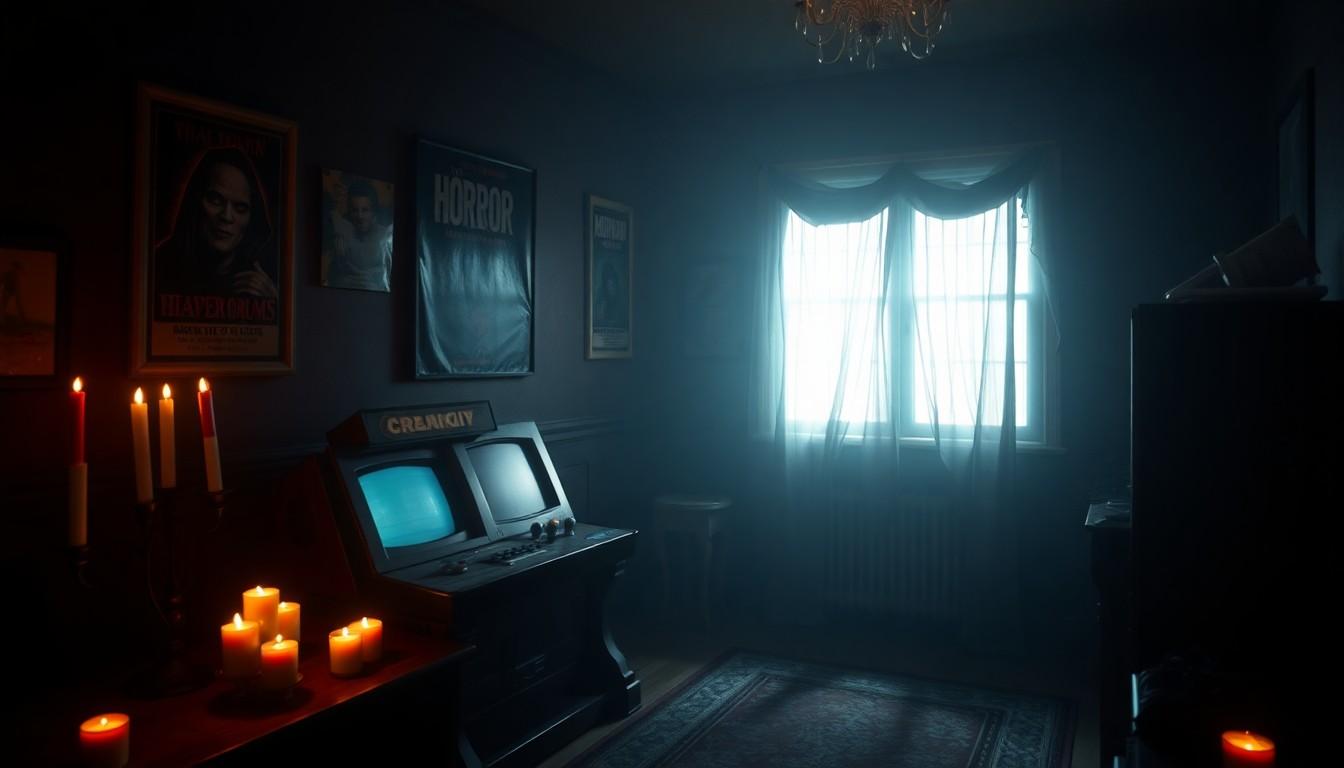
Horror RPG games offer immersive experiences characterized by gripping narratives and spine-chilling encounters. The blend of role-playing mechanics with horror elements captivates players and enhances the thrill.
Notable Titles in Recent Years
Recent titles like Resident Evil Village and Amnesia: Rebirth push boundaries. Darkest Dungeon stands out with its unique art style and punishing gameplay. Bloodborne delivers fast-paced combat fused with horror aesthetics. The Medium combines psychological horror with dual-reality gameplay. These games exemplify modern horror RPGs elevating storytelling and gameplay mechanics.
Classic Horror RPGs
Classic titles remain influential in the horror RPG landscape. Silent Hill 2 showcases deeply unsettling atmosphere and characterization. Planescape: Torment offers rich storytelling intertwined with philosophical themes. Resident Evil 2 introduces resource management and survival horror elements. Zelda: Majora’s Mask incorporates a darker tone alongside time mechanics. These classics laid the groundwork for the genre’s evolution, inspiring countless developers and players alike.
Gameplay Elements in Horror RPGs
Horror RPGs captivate players through their unique blend of storytelling, atmosphere, mechanics, and combat systems. Each element contributes to the overall experience, immersing players in an unsettling yet thrilling world.
Storytelling and Atmosphere
Storytelling in horror RPGs engages players with rich narratives. Dark themes and complex characters add depth, keeping players invested in their journeys. Each game often features an atmospheric setting, creating an immersive experience that heightens tension. Sounds and visual cues work together, invoking feelings of dread and insecurity. Players encounter choices that shape their stories, amplifying emotional stakes. Intense, unexpected plot twists maintain suspense, driving players to explore further. Moments of revelation reveal dark secrets, enhancing the overall atmosphere.
Mechanics and Combat Systems
Mechanics in horror RPGs often emphasize resource management. Players must navigate limited supplies, which escalates tension and decision-making. Combat systems vary, ranging from strategic turn-based battles to real-time confrontations. Each system promotes adaptability when facing unique enemies, requiring quick thinking. Skills and abilities often enhance characters, allowing players to choose different play styles. Environmental interactions can influence confrontations, encouraging clever use of surroundings. Eerie encounters frequently challenge players, testing their limits and resolve within the game’s terrifying world.
The Role of Sound and Music
Sound and music play crucial roles in creating the immersive experience of horror RPGs. These elements heighten emotions and intensify the atmosphere, influencing player reactions.
Sound Design in Horror RPGs
Effective sound design envelops players in an uncanny environment. Ambient noises like creaking floors or whispers foster a sense of dread. Each sound cue signals an impending threat or enhances tension, prompting players to remain alert. Layering various soundscapes adds depth to gameplay and enriches storytelling. For instance, the chilling echoes of distant thunder or the unsettling silence in a haunted space can heighten unease. This meticulous attention to auditory detail contributes to the overall impact of horror RPGs.
Impact of Music on Player Experience
Music functions as an emotional guide throughout horror RPGs. Compositions often shift to mirror players’ actions, amplifying feelings of fear or anxiety. In moments of calm, serene melodies provide a false sense of security, only to give way to dissonant sounds during high-stakes scenarios. This contrast keeps players engaged and on edge. Memorable themes can linger in players’ minds, adding to the storytelling resonance. Overall, the fusion of well-crafted sound and music cultivates a unique player experience, distinguishing horror RPGs from other genres.
Community and Fan Base
Horror RPG games cultivate a diverse and engaged community that thrives on shared experiences and discussions. Players connect through their love for storytelling and the thrill of suspense.
Role-Playing and Immersion
Role-playing allows players to inhabit their characters deeply. Immersive gameplay fosters emotional connections with in-game experiences. Choices made during gameplay impact characters’ fates, enhancing the overall narrative. Players revel in their ability to influence the story’s direction through decision-making. This engagement elevates horror narratives, as players navigate fear-inducing scenarios. Each character’s backstory enriches the gaming experience, inviting players to explore psychological depths.
Online Communities and Discussions
Online platforms host vibrant communities where fans share insights, strategies, and fan theories. Websites and forums provide spaces for players to analyze plot twists and offer gameplay tips. Fans discuss their favorite titles, sharing artwork and character interpretations. Social media platforms serve as venues for players to receive updates and engage with developers. These discussions generate excitement around upcoming releases and expansions. Participating in these communities fosters friendships among like-minded enthusiasts, creating lasting connections formed through shared horror experiences.
Conclusion
Horror RPG games offer a unique blend of storytelling and gameplay that captivates players. With their ability to evoke fear and tension through immersive narratives and strategic decision-making, these games create unforgettable experiences. The evolution of the genre showcases the creativity and innovation of developers, both established and indie, pushing boundaries in gameplay and storytelling.
As players navigate through dark worlds filled with supernatural threats, they forge connections with characters and fellow fans alike. The vibrant community surrounding horror RPGs enhances the experience, inviting discussions and shared excitement. In this realm of fear and suspense, players find more than just a game; they discover a thrilling journey that challenges their limits and keeps them coming back for more.