
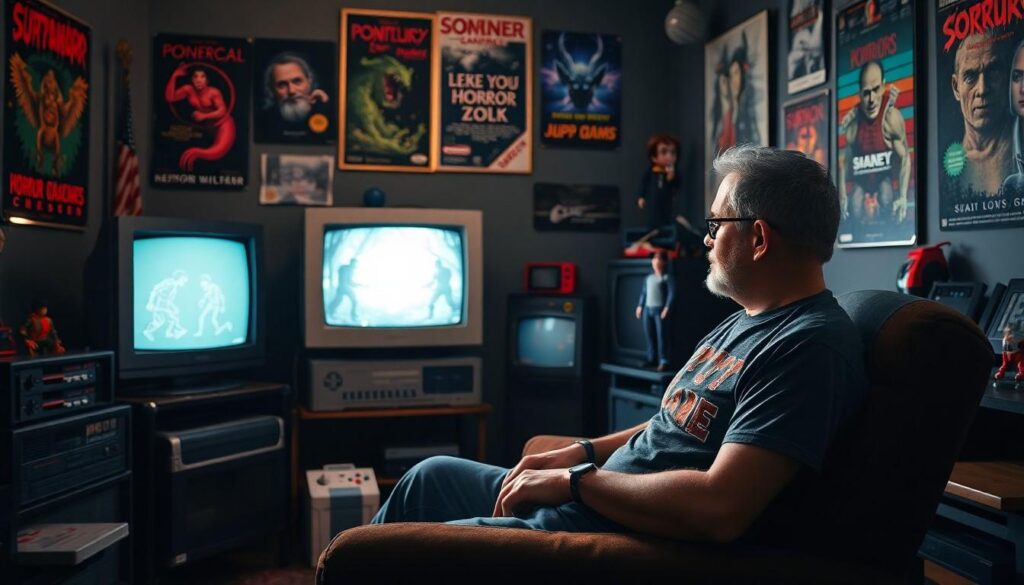
In a world where horror has gone high-tech, retro horror games bring back the spine-tingling thrill of pixelated terrors and eerie soundtracks. These games, with their charmingly clunky graphics and delightfully cheesy plots, remind players of a time when fear was less about realism and more about imagination. Who needs hyper-realistic monsters when a blocky creature can send chills down your spine?
From the haunting echoes of “Resident Evil” to the unsettling puzzles of “Silent Hill,” retro horror games have carved a niche that continues to captivate gamers. They’re not just a trip down memory lane; they’re a testament to the creativity that thrives in constraints. So grab your controller and prepare for a nostalgic journey that’s sure to unleash a mix of laughter and terror, proving that sometimes, the past is the scariest place to be.
Overview of Retro Horror Games
Retro horror games bring a distinct charm that captivates players. Classic titles, such as “Resident Evil” and “Silent Hill,” relied on limited technology to craft immersive experiences. Pixelated graphics and simple soundtracks often evoke nostalgia. Creativity shone through as developers used imagination to create tension and fear, even with technical limitations.
Atmospheric settings played a significant role in enhancing gameplay. In these games, uncanny environments contributed to dread and suspense, often prompting players to explore with caution. The use of lighting and shadows added layers of mystery and urgency. Iconic sound effects, including creaks and thuds, heightened tension and kept players on edge.
Characters often displayed memorable traits that contributed to a game’s horror narrative. Protagonists like Jill Valentine and Harry Mason faced unimaginable horrors, evoking empathy from players. Their struggles against grotesque nightmares resonate, making these characters unforgettable. Villains in retro horror games frequently embodied exaggerated quirks and menacing designs, leaving lasting impressions on players.
Humor, sometimes unintended, also found a place in these titles. Cheesy dialogue and over-the-top scenarios provided a lighter contrast to the horror elements. Players often find it amusing to revisit these moments, creating an enjoyable blend of fear and fun. Embracing this unique combination invites players to appreciate the artistry of retro horror games.
Overall, retro horror games excel at delivering thrills through unique storytelling and innovative gameplay. They inspire both nostalgia and new audiences, encouraging exploration of the genre’s rich history.
Key Characteristics of Retro Horror Games

Retro horror games possess distinctive traits that enhance their appeal. Their charm lies in how they fuse imagination with limitations, creating engaging experiences.
Visual and Audio Aesthetics
Pixelated graphics contribute to a haunting yet nostalgic atmosphere. Each character design evokes unique emotions, allowing players to connect deeply. Sound design plays a crucial role, using eerie ambient noise and unsettling music to amplify tension. Retro titles often feature simple but effective sound effects that linger in memory. These elements merge to create an immersive environment, drawing players into dark environments filled with suspense.
Gameplay Mechanics
Gameplay mechanics of retro horror games focus on simplicity and challenge. Resource management requires players to strategize between exploration and survival. Fixed camera angles enhance the feeling of vulnerability, forcing players to confront the unknown. Additionally, puzzles often require creative thinking, adding layers to the experience. Unique enemy behaviors and limited saves heighten the stakes, reinforcing the need for caution. Each mechanic intertwines to deliver a memorable experience that keeps players on edge.
Notable Retro Horror Games
Retro horror games stand out for their creativity, memorable characters, and unique gameplay. These titles shaped the genre, offering thrills that continue to resonate today.
Resident Evil
Resident Evil, released in 1996, redefined survival horror. Players navigate the eerie Spencer Mansion as they confront zombies and grotesque creatures. The fixed camera angles create tension, while resource management enhances the experience. Iconic characters like Jill Valentine and Chris Redfield became franchise staples. This game established atmospheric storytelling through puzzles and suspenseful moments. Its blend of horror and action left a lasting impact, influencing countless subsequent titles.
Silent Hill
Silent Hill, debuting in 1999, immerses players in a fog-shrouded town filled with psychological terror. The story follows Harry Mason as he searches for his adopted daughter. Unsettling visuals and haunting sound design amplify the unease. Players encounter symbolic monsters that reflect their fears, creating a deeply psychological experience. The game’s open-ended narrative invites interpretation, enhancing its connection to horror. Silent Hill’s atmosphere and intricate storytelling remain unparalleled in the genre.
Castlevania: Symphony of the Night
Castlevania: Symphony of the Night, released in 1997, revolutionized action-adventure horror. Players guide Alucard through Dracula’s castle, featuring hand-drawn visuals and a captivating soundtrack. Exploration and RPG elements set it apart from its predecessors. Each area is meticulously crafted, filled with hidden secrets and powerful enemies. Engaging gameplay encourages players to uncover transformations and abilities. This title melds horror and action, establishing a blueprint for future games in the franchise.
The Impact of Retro Horror Games on Modern Gaming
Retro horror games significantly influence modern gaming trends. Their unique aesthetic and gameplay mechanics continue to resonate with players and developers alike.
Inspirations for Contemporary Titles
Contemporary titles draw inspiration from the atmosphere of classic retro horror games. Games like “Amnesia: The Dark Descent” and “Dead Space” incorporate fixed camera angles and resource management strategies reminiscent of “Resident Evil.” Psychological horror elements from “Silent Hill” shape narrative depth in new releases. Developers aim to recreate that sense of dread through environmental storytelling and ambient music. Classic pixelated graphics evoke nostalgia, prompting current indie games to adopt similar styles. Titles such as “The Last Door” exemplify this trend, merging pixel art with emotional narratives.
Cult Following and Community Engagement
Cult followings emerge from the enduring appeal of retro horror games. Players often share experiences through forums and social media, fostering a community that celebrates collective memories. Events like retro game nights showcase classics and allow fans to relive the thrill of gameplay together. Fan art and remakes exist, illustrating inspirations derived from iconic characters and settings. Enthusiasts often engage in discussions about hidden gems, creating a rich dialogue about game design evolution. These interactions highlight the strong bond between retro game fans and contemporary developers, ensuring the legacy of retro horror continues to thrive.
Conclusion
Retro horror games hold a special place in the hearts of many gamers. Their unique blend of nostalgia creativity and charm continues to captivate both old fans and new players alike. The atmospheric settings and memorable characters create experiences that resonate deeply long after the game is over.
As modern titles draw inspiration from this genre the legacy of retro horror remains strong. The community surrounding these classic games thrives through shared experiences and creative expressions. Embracing the quirks and limitations of retro horror not only honors the past but also enriches the future of gaming.

